What you need to know about brain health and exercise
Join Dr. Jessica Rexach as she answers key questions on Alzheimer’s, brain health, and how exercise, sleep, and lifestyle support healthy aging.

Written by
Key takeaways
- Exercise and brain health are closely linked. Regular activity helps blood flow to the brain and lowers dementia risk.
- Sleep, social connection, and stress management are also key for protecting brain health as we age.
- It's never too late to protect your brain. Even modest increases in physical activity can help memory and thinking. Try Bold's online brain health classes today.
Alzheimer’s disease and dementia affect millions of older adults. While treatments are advancing quickly, many people still have questions about how to lower their risks and live a healthy life. Brain health isn’t just about medicine. It’s also about lifestyle choices like exercise, sleep, and diet. These can make a real difference in how we age.
Bold spoke with Dr. Jessica Rexach, MD, PhD, a neurogenetics specialist at UCLA Health. Her work brings together cutting-edge research with hands-on care for patients living with memory loss, movement disorders, and other age-related conditions.
“Targeting dementia has been my goal since I was a teenager, after watching my grandfather go through Alzheimer’s disease,” Dr. Rexach tells Bold. “It felt profoundly unfair, and something worth fighting against."
Dr. Rexach currently sees patients in two different clinical practices: the UCLA Memory Clinic and the UCLA Neurogenetics Clinic. “I spend about half my time counseling patients and encouraging them to exercise,” she says.
Keep reading to learn why exercise is so powerful for the brain, and how everyday habits can help keep us sharp and resilient as we grow older.
Why is exercise important for brain health as we age?
Dr. Rexach: Exercise helps protect our brains against aging and disease. Research done on animals shows that if they exercise more, they age better. So for patients with mild brain health issues, even 10–15 minutes of exercise in the morning can improve focus and memory that day.
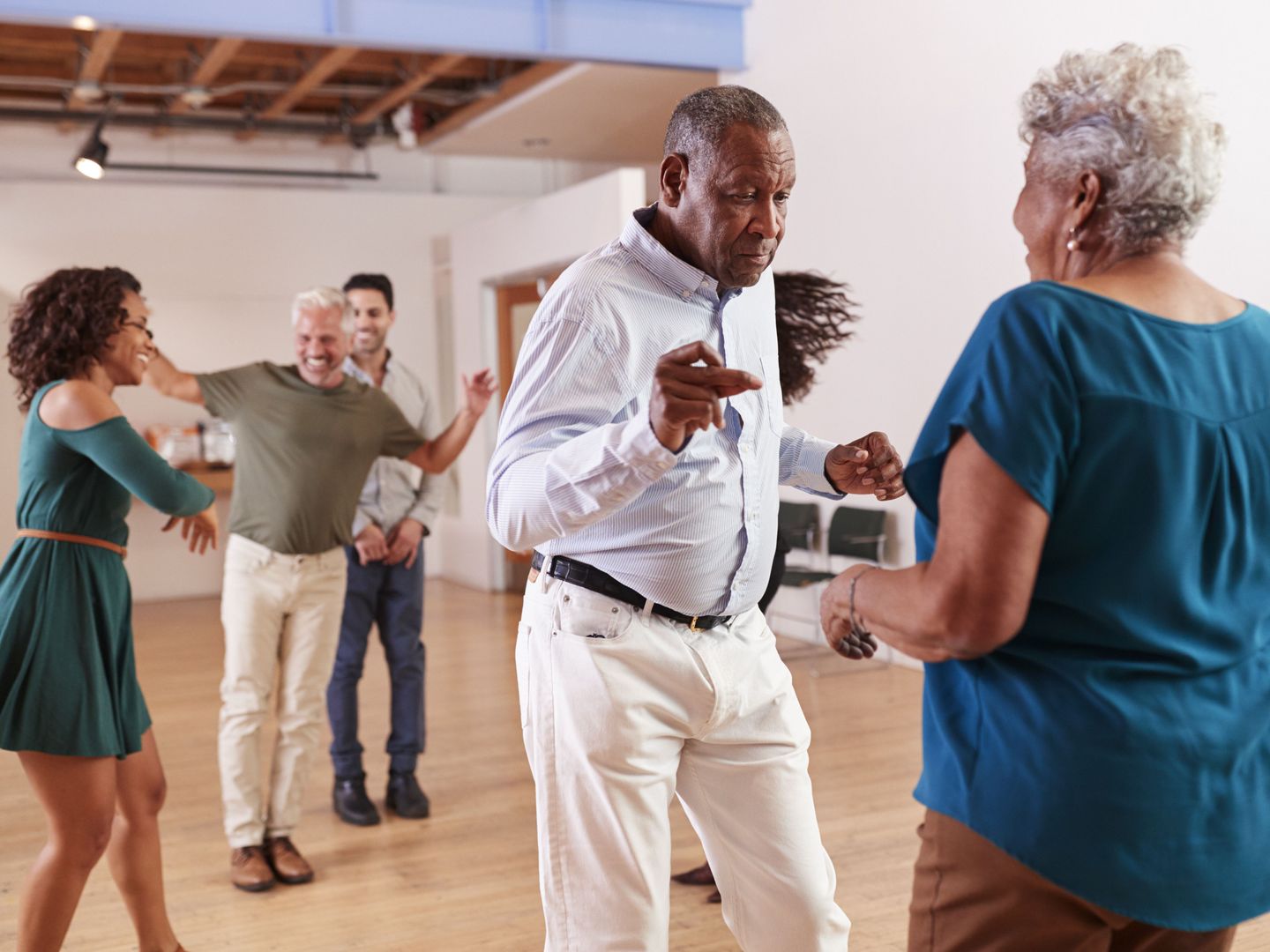
We also want to make sure we’re using all different parts of the brain—the healthy ones, too. For example, in a dance class for people with Parkinson’s, the brain recognizes musical cues. This helps improve movement.
We also want to work on lowering our fall risk. Strengthening your core, joints, and spinal muscles can help with that.
Take action for your brain health
Support brain health, memory, and cognitive function as you age through Bold's online exercise and education classes.
How does exercise boost focus?
Dr. Rexach: We all know how much better we feel and focus after exercise. I pull a lot from personal experience, and patients tell me they benefit too. Exercise and sleep are important for brain “cleaning,” because exercise clears toxins from the brain so your body can remove them.
Bold: When we exercise, what happens with our hormones? How does that affect our bodies and brains?
Dr. Rexach: During exercise, our levels of adrenaline and dopamine increase. This improves our mood and helps us focus. We see this a lot when we mix mild- to moderate-intensity exercise with things that give us joy, like community, music or beautiful spaces, or exercises with calming breath like Tai Chi or certain types of yoga. You’ll feel both alert and calm, which drugs can’t replicate. That’s why exercising with things like music, nature, and social interaction is so good for you.
What challenges do people face when trying to make changes, like exercising more?
Dr. Rexach: It’s hard when patients lack resources. Many people have financial restrictions, mobility limitations, or time constraints. We need more community investment to make exercise accessible, especially for older adults.
The bottom line
Exercise is good for your physical and mental health, and helps you keep your brain healthy. There are short- and long-term benefits, from improving your mood to lowering your risk of falling. We’re here to help. Check out our library of on-demand classes, where we have options for every fitness level.
You may be eligible for Bold’s online exercise classes at no cost through your health plan. Check your eligibility and get moving to experience the benefits of movement for your brain and body today.
Take action for your brain health
Support brain health, memory, and cognitive function as you age through Bold's online exercise and education classes.
More from Bold

Brain health for seniors: Tips, exercises, & lifestyle habits for memory and cognition
Discover what seniors need to know about brain health, including cognitive function, memory improvement, and exercises to support brain health as you age. Learn practical tips for maintaining mental sharpness.

Bold Guide: Exercise and mental health
Discover how exercise for mental health can help seniors manage depression and anxiety. Learn evidence-based tips to boost mood, reduce stress, and stay active.

Anxiety in older adults: Symptoms, causes, and treatment options
Anxiety is the most common mental health condition in older adults. Learn the symptoms, causes, and treatment options including exercise and therapy.