Reimagining MSK care and pain management for seniors
To tackle costs while driving clinical outcomes, leading Medicare Advantage plans need to move upstream and invest in personalized digital health programs for MSK that prioritize prevention, mobility, and functional health.
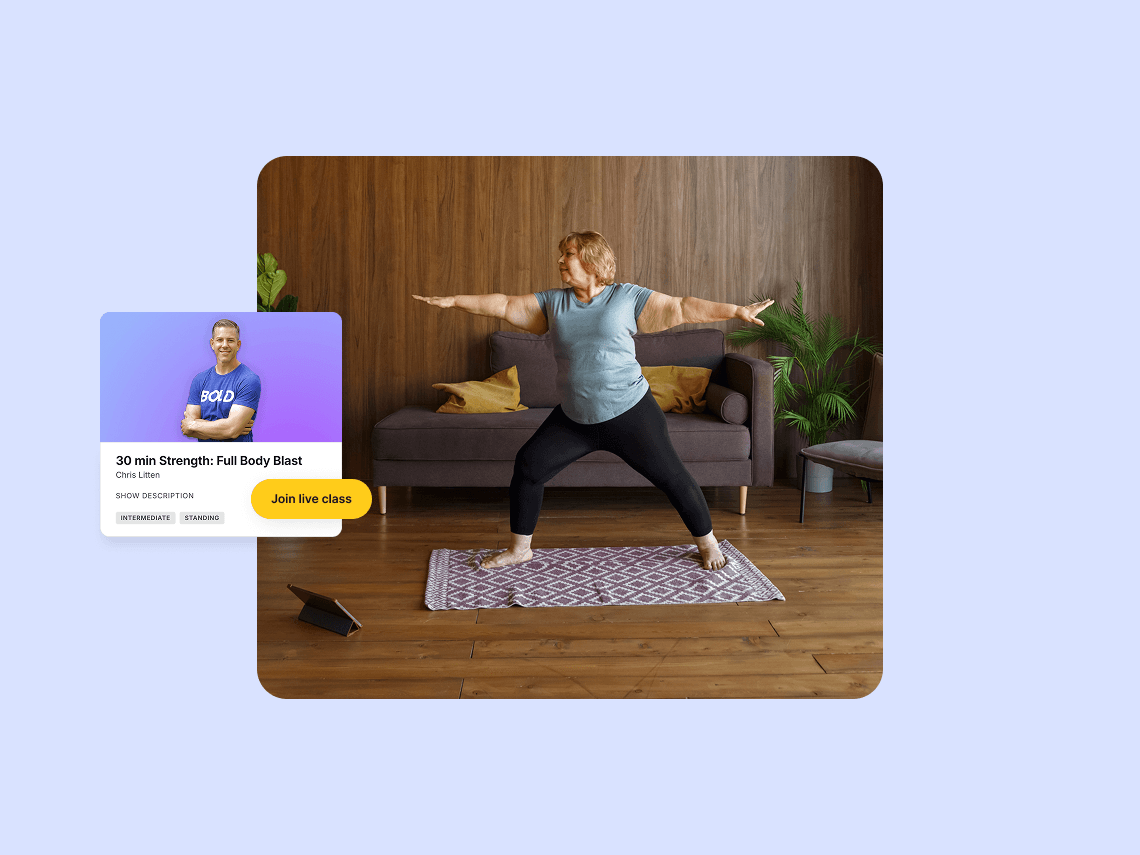
About half of all U.S. adults and nearly three out of four adults 65 and older are affected by musculoskeletal (MSK) conditions, ranging from joint pain or swelling to arthritis and osteoporosis. Among seniors, back and knee issues are the most common types of MSK issues, and an estimated 40-60% of older adults experience persistent MSK pain – defined as pain that lasts for longer than three months.
MSK conditions are one of the most expensive chronic health challenges, with one Cleveland Clinic-led study estimating annual MSK spending at $380.9 Billion – ranking it ahead of diabetes and cardiovascular disease. Other estimates put MSK spending even higher.
This situation is compounded by the rising prevalence of chronic conditions and comorbidities as the population ages. Yet, many Medicare Advantage plans continue to focus on interventions for MSK only after pain reaches a critical threshold or following a more serious clinical episode like a fracture from a fall.
This reactive approach leads to costly treatment paths, like surgery, while missing the opportunity to address diminishing mobility and functional health before it hinders quality of life, or trickles down to impact related outcomes or conditions.
As the Stars regime shifts to put an increased emphasis on members’ experience of care and clinical outcomes, the status-quo approach to MSK in Medicare must shift, too. With a below-trend rate increase for 2027, MLR reduction is growing increasingly difficult for payers that don’t get proactive about an issue that’s highly prevalent — and preventable with the right partners.
To tackle costs while driving clinical outcomes, leading Medicare Advantage plans need to move upstream and invest in prevention and personalized digital health programs for MSK that prioritize mobility and functional health.
Unpacking the growing costs of MSK conditions for health plans
Some of the common drivers of chronic MSK pain include injuries, overuse, frequent exertion, or poor posture, along with conditions like obesity and cardiovascular disease. Modifiable factors like sedentary behavior, overall metabolic health, pain beliefs, and lifestyle habits also contribute to pain.
Pain sits on a wide spectrum, meaning treatment options do as well. The most common treatment pathways for pain management typically include prescribed opioids and over-the-counter (OTC) medications like NSAIDs. Some individuals seek chiropractic adjustment or receive steroid injections into affected joints to reduce inflammation and pain. Many individuals seek care from physical therapists (PTs), or manage pain through consumer products such as braces and ergonomic aids.
For many seniors, surgery is recommended by a trusted provider – often after multiple assessments, other courses of treatment, imaging, and the like – to restore mobility and quality of life. The third most common type of surgery in the U.S., joint replacement surgery is typically the last treatment option after exploring other paths, with costs ranging from $16,500 to $33,000.
The average ages for knee and hip replacement surgeries are 67 and 65 respectively, meaning Medicare and Medicare Advantage plans shoulder the brunt of these surgery costs. It’s also important to highlight compounding costs when replacements are done at a younger age. According to one study, for patients over 70 at the time of primary replacement surgery, the lifetime risk of needing a revision is about 5%. For those under 70, however, risk rises sharply – up to 35% for men in their early 50s.
Access and education challenges compound costs
Access and navigation remain limiting factors when considering whether and how seniors seek MSK care – or even know how to address pain as it grows more persistent.
- Research suggests that many seniors share the misconception that joint pain that impacts their daily activities or movement is a common part of aging, making it less likely for them to speak with their providers about MSK pain or seek support.
- Many individuals with chronic pain face skepticism regarding the legitimacy of their pain including from healthcare providers, leading to a reluctance to seek care and a distrust of the traditional healthcare system.
- Evidence points to added barriers to access and care navigation for pain and physical therapy tied to factors like race, language, and income level, as well as for rural populations.
In addition, for those who do seek PT as a treatment option, the growing shortage of licensed physical therapists adds to access issues, bringing long waits for individuals once they do find a PT.
These factors add up when considering the overall cost burden of MSK on the healthcare system. Barriers to care navigation, education, and equitable access – especially for those with multiple chronic conditions or who are enrolled in special needs plans (SNPs) – means severity of MSK pain often worsens without proper treatment, leading to reduced mobility, greater utilization and more costly episodes like falls.
Making the case for prevention: Designing effective MSK care for Medicare Advantage
A growing body of clinical research points to the efficacy of upstream prevention programs that include exercise and education as low-cost, high-impact interventions for managing MSK conditions and chronic pain. One clinical trial found that engagement in a progressive walking and education program “significantly reduced low back pain recurrence” in adults, nearly doubling pain-free days and cutting healthcare costs in half. Indeed, evidence shows that adopting a healthy lifestyle – including exercise, sleep, balanced diet, and healthy habits – can add 10 years or more to a person’s life, while greatly increasing quality.
Effective MSK programs for seniors should bring together proven clinical programs with lifestyle and behavior change to reduce costs in the short- and long-term, and improve outcomes.
- AI-enabled personalized programs that bring together exercise, lifestyle changes, education, and behavior change
- Adaptive to daily and monthly changes in member-reported pain levels and preferences to make sure the program stays relevant, accessible, and is optimized for outcomes
- Strength, mobility, and balance offerings specifically designed for seniors, by Physical Therapists to address prevention, early intervention, treatment, and recovery – with seated classes and customized modifications based on in-depth pain assessments
- Individual lifestyle modification plans developed by providers that focus on key clinical levers for outcomes including weight and metabolic health, nutrition, and stress
- Evidence-based pain-neuroscience education resources that help seniors make sense of their pain and understand their treatment options for MSK pain, along with practical tips like articles on the best exercises for knee pain or videos with PTs on exercising with hip pain
- Integrated mental health support including community resources and education on stress, depression, and anxiety
- Behavioral habit formation tools driving the overall experience to ensure members complete programs and achieve necessary milestones to realize meaningful outcomes, and continue to progress for long-term impact
“Many people with osteoarthritis worry that movement will wear out their joints faster. In reality, the right kind of regular movement helps strengthen the muscles that support the joints and reduce pain over time.” – Bold Care Clinician Dr. Afua Agyarko
Connecting the dots on costs, Stars, and outcomes for Medicare Advantage
For Medicare Advantage leaders, making the shift from intervention-first approaches to ones that integrate upstream prevention for MSK conditions directly impacts costs, boosts member experience, and drives outcomes. The right MSK program can also spell the difference between 3 and 4+ Stars.
The 2027 Final Rule emphasizes CMS’s explicit goal to refocus the Star Ratings program on clinical care, outcomes, and patient experience – doubling down on functional health and lending greater weights to overall mental and physical health measures.
Looking specifically through the lens of the Health Outcomes Survey (HOS), effective MSK programs for seniors that bring together personalized prevention with treatment can significantly drive Stars performance across key measures.
- Triple-weighted mental health measure: Persistent pain is associated with increased levels of anxiety and depression, underscoring the connectedness between mental and physical health. Of note: evidence suggests a reciprocal relationship between pain and depression in seniors, with pain and depression being independent risk factors for one another for adults aged 65 and older.
- Consistently low-performing ‘Reducing the Risk of Falling’ measure: Decreased mobility is associated with a higher risk of falls, including loss of muscle mass, poor balance, or lack of physical activity due to pain or other barriers. In fact, in one peer-reviewed study, adults 70 and older with chronic MSK pain in two or more joint locations had a 53% higher risk of falling compared to those with no pain.
- Triple-weighted physical health measure: The triple-weighted “Improving or Maintaining Physical Health” measure is made up of questions that attempt to understand a member’s ability to accomplish daily activities – like household chores, climbing stairs, or playing golf – without pain or limited mobility. Individuals with conditions like arthritis or knee pain that aren’t consistently addressed, or who don’t know what kind of programs or movements they can safely do, will drive this score down.
How Bold helps leading MA plans lower costs and boost Star Ratings through personalized MSK programs
Bold’s personalized MSK programs bring together exercise, lifestyle changes, education, and behavior change to deliver outcomes for leading Medicare Advantage plans. Bold uses a clinical rules engine to deliver customized plans based on a member’s mobility level, pain profile, and chronic conditions. Program intensity adapts automatically based on structured clinical protocols to ensure therapeutic efficacy and safety for older adults.
Movement programs are complemented by emotional health support, multi-modal pain-neuroscience education, and community resources, including expert-led group sessions on pain and aging. In addition, Bold nudges members to have conversations with their providers about critical Stars topics like their activity levels, fear of falling, bladder control issues, and changes in pain.
Across Medicare Advantage plan partners, Bold is driving outcomes for members with MSK conditions and pain:
- 80% members report improved strength, heart health, and mobility1
- 40%+ reduction in falls and fall-related hospitalizations2
- 8 in 10 members report improved mental health1
- 8 in 10 members are more likely to stay with their plan because it offers Bold1
Leading Medicare Advantage plans are making the shift away from intervention-first approaches to integrate personalized programs like Bold focused on prevention, engagement, and functional health. Comprehensive MSK pain programs are one of the best ways plans can address rising costs, boost Star Ratings, and drive member engagement in preventive care for long-term outcomes.
Bring your members more effective MSK care from Bold. Learn more.
Sources: 1 - Bold Book of Business, 2025; 2 - Partner claims analysis, 2024
More from Bold

Webinar: Intro to Bold Care's Weight Loss Program
Watch this webinar to learn more about Bold's weight loss program, covered by Medicare, and how you can get started.

Are GLP-1s safe for older adults? What you need to know about weight-loss medications over 60
Learn about GLP-1s and aging, plus how to pair medication with lifestyle changes for weight-loss success.

Do I qualify for GLP-1s through Medicare?
Medicare now covers FDA-approved GLP-1s for $50 per month for eligible members. Learn more about Medicare coverage of GLP-1s for seniors with Bold Care.