How to lose weight as a senior: Weight loss tips for people over 60
Losing weight after 60 is challenging due to metabolism and hormone changes. Learn diet and exercise tips to lose weight without losing muscle.

Reviewed by

Key takeaways
- A healthy weight looks different for every person. BMI is a starting point, but factors like waist size, body fat, and lean muscle mass all matter.
- The goal is to lose fat, not muscle. After 60, preserving lean muscle mass while losing weight is critical for maintaining your strength, mobility, and metabolism. Combining strength training with adequate protein intake is the most effective way to lose weight without losing muscle.
- Protein and fiber are important nutrients for weight loss in seniors. Protein helps maintain muscle mass and keeps you full. Fiber slows digestion and supports blood sugar management.
- Both cardio and strength training support weight loss in older adults. Low-impact options like walking, cycling, chair workouts, and swimming protect the joints while still burning calories and building muscle.
- Schedule a visit with a Bold Care provider today to make a weight loss plan that works for you.
Weight loss is a common goal, no matter your age. But losing weight after 60 can present some unique challenges — and, potentially, some important benefits along your path to health in your later years.
Keep reading for everything you need to know about how to lose weight after 60, from the nutrition and exercise strategies that really work, to how to lose weight without losing muscle along the way.
This guide complements our comprehensive Weight Loss for Seniors: The Complete Guide, which covers nutrition, exercise, cost, and more.
Understanding the challenges of weight loss after 60
Weight loss is often challenging. But it tends to get harder with age, for a number of reasons.
The impact of age on metabolism
The word “metabolism” is commonly used to mean the rate at which your body burns calories. It’s a little more accurate to describe it as the energy your body needs to function every day.
Your energy needs stay relatively stable during most of adulthood, from around age 20 to around age 60. But then, metabolism declines.
That can lead to unintended weight gain. As your metabolism slows, your body burns fewer calories, even when you’re just resting. You might notice the number on the scale going up or that you’re accumulating more body fat, especially around your midsection.
Hormonal changes in women after menopause
On average, women gain about five pounds after menopause. More research is needed to fully understand why. But it seems that declining estrogen may be associated with losing lean muscle, gaining fat, and a slower metabolism.
Muscle loss and its effects on weight
Everyone loses some muscle mass as part of the natural aging process. Starting around your 30s or 40s, you began losing up to 8 percent of your lean muscle mass per decade. And this process can speed up around age 65.
That muscle loss can make it harder for you to move with ease or lift heavy objects, for example. But it can also tip the scale. Muscle cells naturally burn more calories than fat cells, even when you’re not doing anything. So losing muscle contributes to a slower metabolism too, on top of the natural changes often seen around 60.
This is why one of the most important principles of weight loss after 60 is protecting your lean muscle mass as you lose fat. Crash diets and cardio-only approaches often accelerate muscle loss, leaving you lighter on the scale but weaker and more prone to injury. The smarter approach is to lose weight without losing muscle by combining strength training with adequate protein intake. We'll cover both strategies in detail below.
Setting realistic goals
It’s always important to set realistic weight loss goals. But it’s even more important when you’re working against the factors above.
Many people start with a goal that’s too vague and not measurable enough to really hold themselves accountable. They might simply say: “I want to lose weight.”
Instead, craft a SMART goal. That stands for:
- Specific
- Measurable
- Achievable
- Relevant
- Time-bound
You’re more likely to achieve a goal crafted with this much intention. You can meet with a Bold Care provider to set personal weight loss goals that work for you.
Understanding healthy weight ranges
An important component of making a SMART goal is knowing what a healthy weight is for you. This isn’t always as easy as it may seem.
For starters, the number alone doesn’t actually tell you much about your health. “The scale does not tell the entire story,” says Bold Care provider Dr. Mitul Desai. More and more, doctors are recognizing that people can be healthy at many different body weights and sizes. You may be uncomfortable with the number you see on the scale due to societal, familial, or cultural beliefs. But clear measures of health such as your blood pressure or cholesterol, for example, might still be within healthy ranges.
So what makes a healthy weight range? “When evaluating a healthy weight range, it is important to take into consideration age, sex, waist circumference, body fat composition, and lean body mass,” Dr. Desai says.
Many doctors will turn to an estimate of body composition called body mass index or BMI instead. BMI is a comparison of your weight to your height that estimates what percentage of your body weight is fat. Higher body fat is associated with a number of health risks.
You can check your BMI using an online calculator. There are four main categories for the results:
- Underweight: less than 18.5
- Healthy weight: 18.5 to 24.9
- Overweight: 25 to 29.9
- Obesity: 30 and above
But even BMI isn’t a perfect measure of your health. For one thing, it doesn’t differentiate between fat and muscle mass, so very muscular athletes are often miscategorized as having obesity. “Muscle mass and body fat are not taken into consideration by the number on the scale or BMI,” Dr. Desai says. You can use BMI as a starting point for a larger conversation with your healthcare team, including your Bold Care provider, about a healthy weight for you.
Defining personal weight loss goals
Once you have a clear picture of a healthy weight range for you, you can craft a SMART goal for your weight loss journey.
This might look like:
- “I’ll lose 10 pounds in the next three months by exercising four times a week and monitoring my portion sizes at meals.”
- “I’ll lose one to two pounds a week until my favorite pants fit comfortably again by walking every other morning and eating my bigger meal of the day at breakfast instead of at dinner.”
- “I’ll lose 30 pounds in the next six months following a specific nutrition plan recommended to me by my doctor, with monthly check-ins with a registered dietitian.”
As you can see, personal weight loss goals can vary based on your preferences, resources, access, and ability.
You can always talk to a Bold Care provider to discuss your health concerns, risk factors, goals, cultural background, and more that go into creating weight loss goals. Together, you can come up with a healthy weight to strive for and a plan to achieve it.
Importance of tracking progress
Along the way, you’ll probably want to come up with a system that helps you track your weight loss progress. This system can help you stay accountable and consistent to your goal and the steps it will take to get there. It can also help you recognize when you need to continue to make tweaks in your weight loss plan to overcome plateaus, says Bold Care provider Dr. Mitul Desai. Plus, looking at your progress may help you keep going. “Non-scale victories such as improved sleep, increased energy, or a change in the way clothes fit can be motivating,” she says.
There are lots of different ways to do this. You might consider:
- Weighing yourself weekly and recording the number in a journal or in a note on your phone.
- Taking photos of yourself in the mirror weekly.
- Paying attention to how your energy improves.
- Noting how exercise begins to feel easier as you feel stronger.
Weight loss for seniors
Book an appointment with a Bold Care provider to lose weight, reduce pain, and get your energy back. Your plan includes nutritional support, exercise programming, and $50 monthly copay FDA-approved GLP-1s, if prescribed.
Nutrition for weight loss over 60
Most people lose weight by creating what’s called a calorie deficit. This is when you burn more calories than you take in. Exercise helps you burn calories (more on that below!), but most people need to also make adjustments to their eating to lose weight.
Nutrients to focus on
There is no one “best” diet for people over 60 looking to lose weight. But there are some general nutrition tips that may help.
Focus on fiber
Carbohydrates get a bad reputation when it comes to weight loss. But your body needs these important macronutrients for fuel. That said, some carbs are more nutritious than others. Fiber is the perfect example. This plant compound is found in fruits, vegetables, and grains, and it adds bulk to your diet, helping you feel full faster, which may support weight loss.
Fiber intake is also linked with lower inflammation and better blood sugar management in older adults.
Most adults should aim to get between 25 and 34 grams of fiber a day, but many fall short. Check your fiber intake by reading nutrition labels on packaged foods or searching for the foods you eat regularly in online nutrition databases.
Get plenty of protein
Protein is a macronutrient made of amino acids, the building blocks of every cell. It takes longer to digest than the other two macronutrients, fat and carbs. That means it may help you feel full for longer and eat less between meals. Eating enough protein also helps your body maintain lean muscle mass, which supports your metabolism and daily functioning. This is especially critical for weight loss for seniors: without enough protein, your body may break down muscle for energy alongside fat, undermining the strength and mobility you're working to protect.
Want information on getting enough protein as you age? Explore our protein guide for adults 60+.
To lose weight, research suggests you may want to eat about a gram of protein per pound of your body weight every day.
But that doesn’t mean you have to eat lots of meat. Prioritize lean animal protein and plant-based protein, such as:
- Beans and lentils
- Fish
- Eggs
- Nuts and seeds
- Tofu
- Chicken, turkey, lean beef, pork
Swap saturated fats for healthier options
You don’t have to avoid all dietary fat to lose weight. In fact, you shouldn’t, because your body needs fat for energy and to absorb vitamins. But there are less nutritious fats to avoid.
Saturated fat comes from animal products, like meat and dairy. It’s the kind of dietary fat tied to higher risk of heart problems. Unsaturated fats are found in fatty fish like salmon and sardines, avocados, olive oil, and nuts and seeds. These fats are not only better for your heart, they may also help you burn body fat and lose weight.
Why hydration is important
Some research suggests drinking plenty of water might aid weight loss because the water helps you feel full, but there isn’t a strong body of evidence supporting this. That said, it’s still a good idea to stay hydrated, because water is essential for all sorts of other reasons. For example, you’ll be better able to stick to an exercise routine when you’re hydrated.
You might also consider swapping sweetened beverages for water when you’re trying to lose weight. Water, seltzers, and unsweetened teas and coffees don’t contain any calories.
Meal planning strategies
Armed with the information above, you can start planning nutritious meals that deliver protein, fiber, and unsaturated fats, all while maintaining the appropriate calorie deficit.
The role of portion control
One way to do that is with portion control. Make sure you’re eating the right serving sizes of snacks and meals. You can do this by reading nutrition facts labels on packaged foods or looking up nutrition information for foods you cook at home and restaurant meals.
You can also take a look at the composition of your plate. “The plate method is a great way to ensure meals are nutritious and have an optimal macronutrient ratio,” Dr. Desai says. At each meal, aim for half of your plate to be full of non-starchy vegetables, one quarter to contain lean protein, and the other quarter to have complex carbohydrates. Healthy fats should make up just a small portion, she adds.
Or, you can estimate portion sizes using your hand as a guide, she says:
- High-protein foods: one palm-sized serving for women and two for men
- Vegetables or fruits: one cupped-hand portion
- High-carbohydrate foods: one fist-sized portion for women and two for men
- High-fat foods: one thumb-sized portion for women and two for men
You may want to track your portions and how much you eat in a journal or calendar or on a digital note on your phone or computer. You can also try one of many mobile apps meant for portion control and food tracking.
Some portion control tips include:
- Using smaller plates and bowls so you naturally serve yourself a little less
- Paying attention to what you’re eating so you don’t mindlessly eat more than you meant to
- Avoiding eating straight out of a bag or box and serving yourself one portion of a packaged food instead
- Eating slowly so you can notice when you feel full
- Ordering smaller-sized options at restaurants
- Taking half of a restaurant meal home for another time
Focus on whole foods
Research suggests that people who eat more ultra-processed foods are more likely to have obesity. More research is needed to fully understand what makes an ultra-processed food and how these foods may affect body weight.
It’s generally more nutritious to focus on eating whole foods, such as vegetables, fruits, nuts, seeds, beans, whole grains, and lean proteins. Doing so can support your weight loss efforts and your overall wellbeing.
Exercise strategies for seniors
Physical activity is another key component to a weight loss plan for older adults. Exercise burns calories, contributing to the calorie deficit that’s essential for losing weight.
Exercise recommendations for healthy adults include:
- Getting at least 30 minutes of aerobic activity, at least five days a week
- Doing muscle-strengthening exercise at least two days a week
- Stretching and performing balance exercises for two hours over the course of the week
It’s always a good idea to talk to a healthcare provider before starting any new exercise routine, including one for weight loss. They can help you identify types of exercise you might enjoy and stick with.
After they clear you for physical activity, start slowly, and experiment with various forms of activity to see how your body feels. You can gradually build up in time and intensity as you get stronger.
Cardio training
Cardiovascular exercise (also called aerobic exercise) is activity that makes you breathe heavier and increases your heart rate. Popular examples include walking, jogging, running, dancing, cycling, and swimming.
There are safe and fun options for people of all ages and abilities. On Bold’s exercise platform, you can find many seated cardio options to get your heart pumping from a chair. We also have low-impact standing cardio workouts and dance routines you can follow along with.
Some people mistakenly believe cardio needs to be very intense to aid with weight loss. But lower-intensity options like walking and lower-impact activities like swimming, cycling, and chair workouts can help, too. Low-impact activities place less stress on your joints, which can be more comfortable for older adults with pain or injuries. Because these exercises are gentler on the body, joint health is protected from injury, allowing for more consistency, which is key in weight management,” Dr. Desai says. “Regular low-impact exercise also improves insulin sensitivity, which allows the body to improve management of blood sugar and reduce fat storage.”
Resistance training
Strength training (also called resistance training) is any exercise that builds muscle mass, and it's the single most important type of exercise for weight loss for seniors. When you have more muscle mass, you burn more calories at rest, which supports your weight loss efforts. But just as importantly, strength training helps you lose weight without losing muscle. Without it, a calorie deficit can cause your body to break down muscle tissue along with fat, which slows your metabolism and makes it harder to keep the weight off. Regular resistance training protects against that cycle.
Start with body weight exercises like squats, crunches, and lunges. Squats and lunges are especially valuable because they work the glutes, quads, and hamstrings simultaneously. These are the largest muscle groups in your body and the ones with the greatest impact on your metabolic rate.
There’s something for everyone with Bold – and your Bold provider can create a personalized workout routine that helps support your weight loss goals: gebold.com/weight-management.
How to talk to your doctor about weight loss
You may feel reluctant or embarrassed to talk about weight loss, but it’s important to raise any concerns with a trusted nurse or doctor, like your Bold Care provider. Try your best to be open and honest. “For those that may feel hesitant to bring up the subject, prepare ahead for the appointment by writing down questions, bringing a food log, and finding a supportive clinician,” Dr. Desai says. “Ask for specific advice, and emphasize the goal of improving overall health, mobility, and chronic conditions.”
Here are some questions about weight loss in seniors that you might start with:
- Do you have any concerns about my weight?
- Would losing weight be good for my health?
- What’s the safest and most effective way for me to lose weight?
- What resources can you give me for weight loss?
- Could I be a candidate for weight loss medication? What are the potential risks and benefits?
Together, you’ll discuss:
- Family history or health conditions that may be affecting your weight
- Your current medications and health concerns
- Your eating and exercise habits
- Times in the past you may have tried to lose weight and how that went for you
This information can help you two craft a plan to help you lose weight and keep it off at any age. Begin the conversation with a Bold Care provider today!
Takeaways
It takes time, dedication, and commitment to lose weight after 60. Metabolism naturally slows with age, and many older adults lose muscle mass and gain fat. The key is to lose weight without losing muscle by pairing strength training with a protein-rich diet and a sustainable calorie deficit. A Bold provider can create a personalized, effective weight loss plan for you at agebold.com/weight-management.
Typically, this will involve creating a calorie deficit by making smart nutrition choices and exercising more. Prioritize protein, fiber, and nutrient-dense fats. Start slow and build up to at least 30 minutes of cardio exercise five times a week and two strength training sessions to build muscle. And don’t forget, Bold Care providers are available to answer your questions about losing weight after 60. Book your appointment today.
There's no single best diet, but the most effective approaches for weight loss for seniors share common traits: adequate protein to preserve muscle, plenty of fiber to support fullness and blood sugar management, and healthy unsaturated fats. The plate method is a practical framework. Fill half your plate with non-starchy vegetables, a quarter with lean protein, and a quarter with complex carbohydrates. Consistency matters more than perfection!
Combine strength training with adequate protein intake. Strength training signals your body to preserve and build lean muscle even while you're in a calorie deficit. Aim for at least two sessions per week targeting major muscle groups. On the nutrition side, prioritize protein at every meal (explore our protein guide for more insight). Avoid crash diets, which accelerate muscle loss.
It's possible to lose weight through dietary changes alone, but it's not ideal, especially after 60. Without strength training, a calorie deficit can cause your body to break down muscle along with fat, which slows your metabolism and makes it harder to keep the weight off. Even light activity like walking or seated exercises helps. The goal is to lose weight without losing muscle, and exercise is the most effective way to protect it.
Focus on whole, nutrient-dense foods — vegetables, fruits, lean proteins, whole grains, and healthy fats, while reducing ultra-processed foods and sweetened beverages. Add regular physical activity, including walking, swimming, or cycling for cardio and bodyweight exercises like squats and lunges for strength. These lifestyle changes support sustainable weight loss for seniors without relying on supplements or extreme diets.
Men over 60 typically have more lean muscle mass than women but still lose muscle with age, which slows metabolism. Strength training is especially important for preserving that advantage. Pair it with a protein-rich diet and a sustainable calorie deficit. Men should also watch for weight carried around the midsection, which is linked to higher cardiovascular risk. A healthcare provider can help set goals based on waist circumference and overall health markers.
Women often face additional weight-loss challenges after menopause, when declining estrogen can lead to stubborn belly fat and reduced lean muscle mass. The fundamentals for weight loss are the same: a moderate calorie deficit, strength training, and plenty of protein. But women over 60 may also benefit from discussing hormone-related changes with their healthcare provider to tailor a plan that accounts for shifts in metabolism and body composition.
The most effective approach combines a moderate calorie deficit with strength training and adequate protein intake. Prioritize whole foods, fiber, and lean protein. Add two or more days of strength training per week alongside regular cardio to burn calories while preserving the lean muscle that keeps your metabolism active. A Bold provider can help you set a realistic weight loss goal and identify any health factors that could affect your plan.
Weight loss for seniors
Book an appointment with a Bold Care provider to lose weight, reduce pain, and get your energy back. Your plan includes nutritional support, exercise programming, and $50 monthly copay FDA-approved GLP-1s, if prescribed.
More from Bold
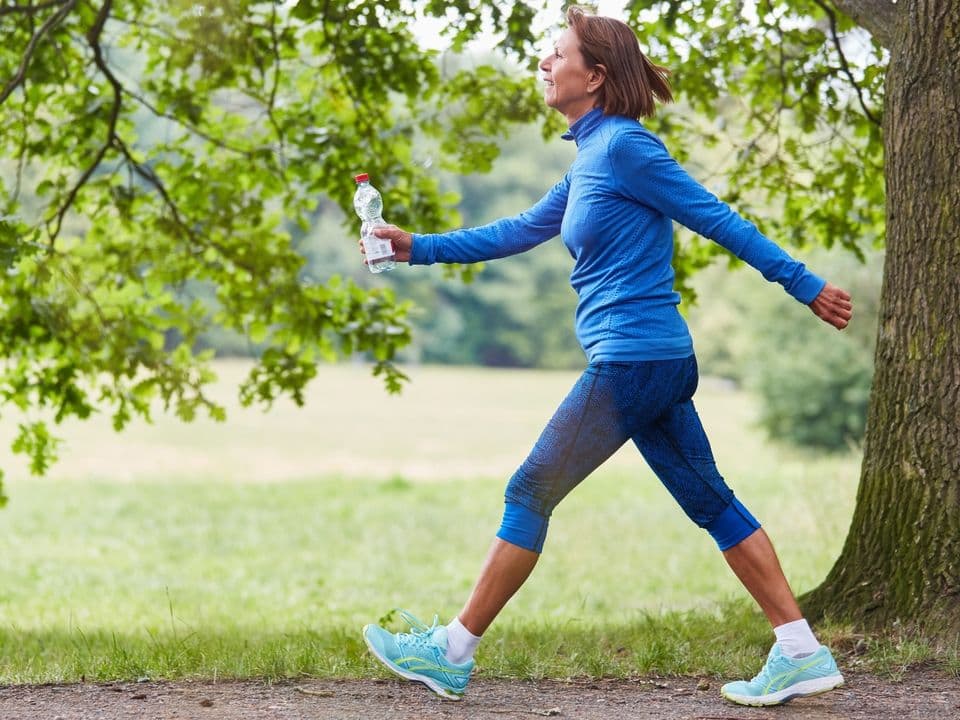
10 questions about weight loss in seniors, answered
Get expert answers to 10 weight loss questions for seniors. Discover safe, effective strategies for nutrition, exercise, and healthy aging.
Weight Loss for Seniors: The Complete Guide
Get expert weight management tips for seniors. Learn how nutrition, strength training, and cardio support healthy, sustainable weight management after 60.

Nutrition webinar: Habits for weight loss
Watch this webinar for simple weight loss tips as you age with registered dietician Janice Baker.