10 questions about weight loss in seniors, answered
Get expert answers to 10 weight loss questions for seniors. Discover safe, effective strategies for nutrition, exercise, and healthy aging.

Written by
Key takeaways
- Weight loss in seniors is achievable but requires a different approach than in younger adults. Metabolism slows, muscle declines, and hormone changes make it more complex.
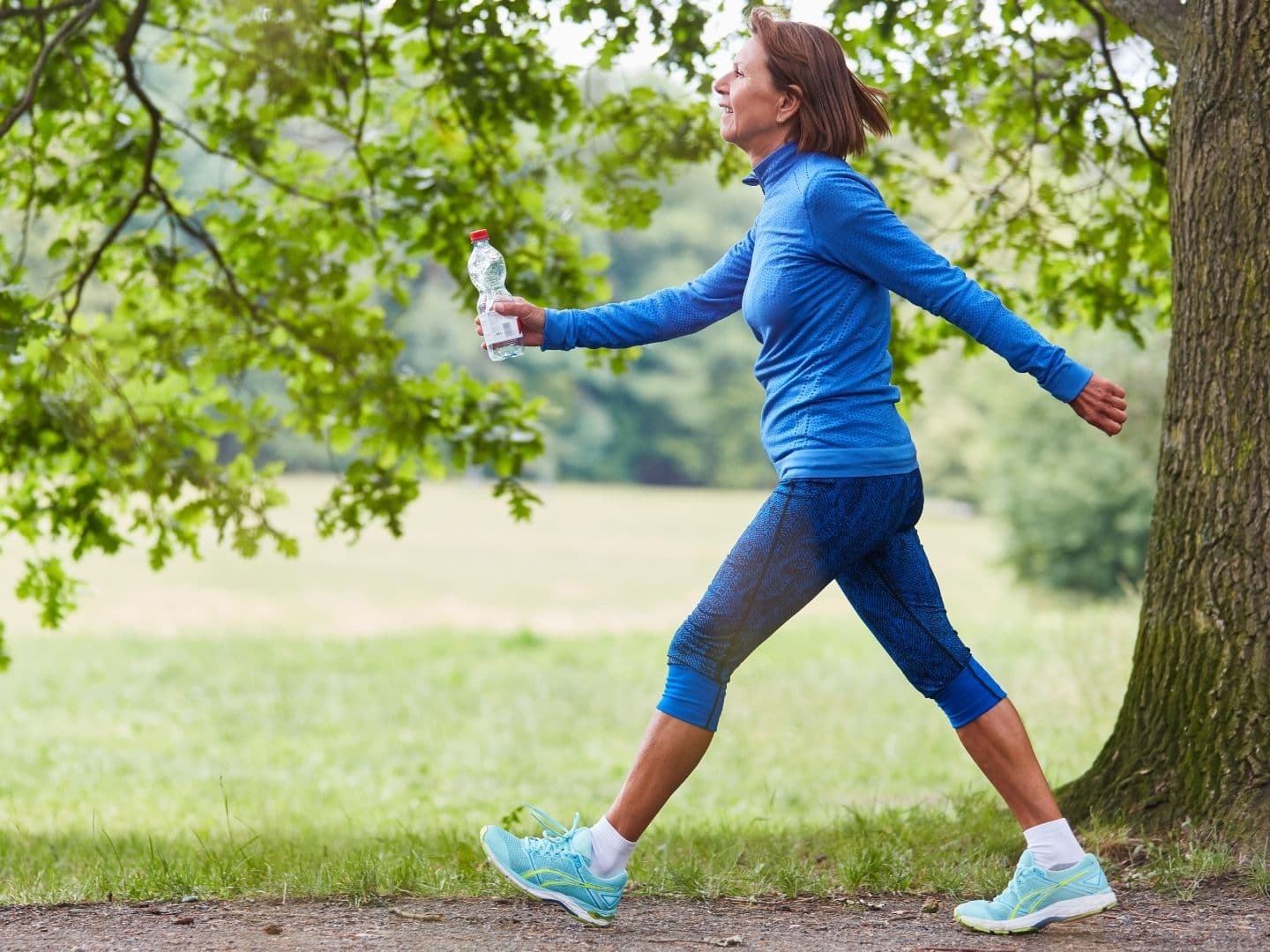
- Regular exercise supports weight loss for seniors. Walking burns calories and improves heart health, while strength training boosts resting metabolism.
- Healthy snack ideas for seniors that support weight loss include Greek yogurt with berries, hard-boiled eggs, apple with nut butter, and raw vegetables with hummus.
- Meet with a Bold Care provider to get a personalized weight loss plan.
Keeping a healthy weight as we age goes beyond the scale. It’s about staying mobile, independent, and enjoying a good quality of life. In her clinical practice, Christa Steffensmeier, NP-C, Bold care provider, focuses on the changes that occur in our later years. She helps patients navigate the hurdles that can make weight loss feel uphill.
To help you start, Christa answers 10 common questions about weight management for seniors. She offers evidence-based tips and strategies designed for older adults.
1. Do you gain weight as you get older?
As you age, your body composition shifts in the following ways:
- Reduced lean muscle mass: Approximately 5% each decade after age 30
- Increased body fat: Body fat increases as lean muscle mass decreases
- Fat redistribution: Some of your fat is redistributed from subcutaneous fat (between skin and muscle) to visceral fat (around organs).
- Reduced height: Associated with aging in both men and women
- Lower caloric needs: Caloric needs drop by about 300–500 calories a day. This happens because the metabolic rate slows down due to the factors mentioned above.
If you don’t notice these shifts and do not adjust your lifestyle to account for these changes, then you will gain weight as you age. However, you can keep a healthy body weight and improve your body composition, no matter your age or gender.
2. How do I lose weight as a senior?
Weight loss for seniors is complex. It involves better nutrition, consistent exercise, quality sleep, and stress management.
Nutrition
A Mediterranean diet is often recommended for weight loss in seniors. Mediterranean diets incorporate a mix of whole grains, vegetables, and healthy fats. These foods can help you feel full. They also boost heat production from metabolism and improve gut health. To avoid losing muscle mass while you lose weight, include strength training and eat more lean protein.
Lean proteins include:
- Egg whites or egg beaters
- Nuts and seeds
- Fish
- Poultry
- Venison
- Low-fat dairy
- Legumes (like lentils and chickpeas)
- Soy products (such as tofu)
Other recommendations include:
- Limiting added sugars, saturated fats, and sodium
- Decreasing late evening or night eating. Cortisol (stress hormone) can stay high at night. This slows down food metabolism, worsens insulin sensitivity, and can disturb sleep.
- For adults 51+, daily protein recommendations are:
- 1.0 - 1.6 grams per kilogram of body weight in men
- 1.0 - 1.4 grams per kilogram for women.
- Example: 150 lbs (68 kg) woman should eat 68–95 grams of protein daily. 200 lbs (90 kg) man needs 90–144 grams each day.
Physical activity
Goals include at least 60-90 minutes a week of both strength training and aerobic activities. These activities should make you breathe harder, but you should still be able to talk. In addition, you should focus on daily stretching and 2 hours of balance exercises per week. Start slowly and build up your exercise intensity as you grow stronger. It’s important to consider any current physical limitations before deciding which exercise is best for you.
Sleep
There is a strong correlation between sleep deprivation and obesity. Lack of sleep affects growth hormones. It also slows food metabolism and raises cortisol, the stress hormone. Additionally, the hunger hormone, ghrelin, increases and satiety hormones decrease with sleep deprivation. Make sure you have good sleep hygiene. This could include reading a book, listening to soothing music, turning down the lights, or taking a warm bath. Treat any issues like sleep apnea that cause sleep deprivation.
Stress management
Too much stress raises cortisol levels. This often leads to eating more food or drinking more alcohol to cope. Both of these contribute to weight gain. Focus on developing healthy stress management tools to prevent this.
Get my weight management plan
Sign up to meet your provider and get your weight management plan
3. What’s the connection between menopause and weight gain?
Most women gain weight during perimenopause and menopause. This happens because of normal aging, lifestyle changes in middle age, and lower estrogen levels. As we age, our muscle mass decreases and fat increases. Reduced muscle mass is linked to reduced metabolism. Also, most women become less active during middle age, which further contributes to weight gain.
Adequate sleep and stress management are key to maintaining a healthy weight. Menopause brings symptoms like hot flashes, irritability, and trouble sleeping. These can impact your sleep and stress levels. It’s important to speak with your provider about ways to help reduce these symptoms and, in turn, maintain a healthy weight.
Other changes during and after menopause:
- Location of fat: When estrogen lowers during menopause, your body changes how it stores fat. Fat storage shifts from your hips/thighs to your abdomen. You’re also more likely to gain more visceral fat (around organs) than subcutaneous fat (between skin and muscle)
- Hormone changes: Lower estrogen can cut leptin, the satiety hormone. It can also boost ghrelin, the hunger hormone. Leptin levels usually drop as people age, but this can affect women more because their estrogen levels also fall. This means you may feel less full and hunger cues can be stronger during menopause
- Insulin sensitivity: Lower estrogen levels reduce insulin sensitivity. Your pancreas is producing enough insulin, but it’s not working at 100% capacity. This leads to carbs being stored as fat within the body. It can also increase cravings and cause irregular blood sugar levels if you don’t adjust your diet
But menopause does not doom you to weight gain. It means that previous strategies that worked to lose weight at age 35 may not work as well at age 70. You need to manage stress, focus on quality sleep, strength train 2-4 days/week, do moderate cardio exercise several days a week, increase lean protein intake, and focus on high-fiber foods and whole grains.
4. Does diabetes cause weight gain?
Type 2 diabetes can contribute to weight gain. This happens because the body struggles to process carbohydrates (glucose). It’s caused by lower insulin production and insulin resistance. The excess glucose in the body is stored as fat, leading to weight gain. Some diabetes medications, like sulfonylureas and thiazolidinediones, can cause weight gain, too. Weight loss is possible, even with diabetes. You can do this by changing your eating habits, using the right diabetes meds, and being more active.
5. Is there a diet that helps with both weight loss and arthritis inflammation?
Yes! The Mediterranean diet is known for its anti-inflammatory benefits. Research shows it also helps with weight loss and heart health. This diet focuses on fiber, antioxidants, gut-friendly foods, and healthy fats. These help lower inflammation, maintain healthy blood sugar, and keep you feeling full.
Recommended anti-inflammatory foods include:
- Omega-3 fatty acids: Tuna, salmon, anchovies, nuts, seeds
- Vitamin C-rich produce: Citrus fruits, bell peppers, broccoli, brussel sprouts
- Antioxidants: Colorful fruits and vegetables, whole grains, olive oil, coffee, tea, dark chocolate in moderation
- Fermented foods: Low-sugar kombucha, kefir, yogurt, cottage cheese, sauerkraut
- Prebiotics: Asparagus, bananas, chicory, honey, garlic, leeks, artichokes, almonds, oats, barley, apples, seaweed, flaxseeds, onions, dandelion greens
Foods to avoid or limit: Red and processed meats, deep-fried foods, highly processed snacks, high-sugar foods, and trans fats.
Get a weight loss plan that works for you
Book an appointment with a Bold Care provider to set personal weight loss goals and build a plan that fits your health, habits, and lifestyle.
6. Does walking help you lose weight?
Absolutely! Walking is an effective and accessible form of cardiovascular exercise for seniors. If you’re new to walking, start with brief walks. Gradually add more time and effort. Aim for several brisk walks of 10-15 minutes throughout the day. For the best weight loss results, keep a pace that makes you sweat lightly or feel a bit breathless. You should still be able to speak a few words easily.
7. What are the best seated exercises for weight loss if I can’t stand or walk?
There are many effective seated exercises for weight management. Here are some exercises you can try:
- Chair marches
- Seated leg raises
- Torso twists
- Arm circles
- Kayaking arms
- Seated boxing
- Leg extensions
- High knees
- Shoulder shrugs
- Heel taps
Consistency is essential for progress. If you are just starting a new routine, I recommend 2-3 upper body and 2-3 lower body movements. Perform each move for one minute. Gradually increase duration, repetitions, and variety as your fitness improves. Chair yoga is also beneficial. Talk to a physical therapist before you start a new exercise routine if you have serious physical limitations or injuries.
For guided options, try Bold’s seated cardio classes.
8. How can I lose weight safely without making my joint pain worse?
Weight loss depends on several factors: exercise, stress management, sleep, and nutrition. To lose weight without increasing joint pain, focus on low-impact cardio activities and joint friendly resistance training:
- Swimming or aquatic exercise: Water supports your body, easing joint pressure.
- Cycling: Riding a regular bike or a recumbent stationary bike is easy on the joints.
- Walking: Try walking on a treadmill with a slight incline or on a soft track to avoid hard concrete.
- Strength training: Strengthening muscles around your affected joint can lower joint stress. Start with light weights.
- Pilates: Excellent for core strengthening and toning without high-impact moves.
- Tai Chi and yoga: Helps improve balance, flexibility, and stability.
Consider the time of day you exercise. If pain is worse in the mornings, stretch then. In the afternoons, focus on cardio or strength training.
9. Is there a GLP-1 age limit?
No, there is not an upper age limit on GLP-1 usage. But older adults are more likely to have side effects. These can include nausea, vomiting, and constipation. It's important to have monthly check-ins with your weight management provider to ensure that all side effects are well managed before you increase your dose.
10. What are healthy snack ideas for seniors?
Mix lean proteins with healthy carbs to feel full and keep blood sugar levels stable. Suitable snack pairings include:
- Raw vegetables with hummus
- Low-fat Greek yogurt with berries
- Low-fat cottage cheese with fruit or vegetables
- Turkey roll-ups with cheese in low-sodium deli meat
- Nuts with mandarin oranges
- Tuna fish with whole wheat crackers
- Hard-boiled egg with fruit or vegetables
- Apple with almond or peanut butter
- Roasted chickpeas
- Celery with peanut butter
For convenience, you can try: premade protein shakes, protein bars (watch calories/sugars), applesauce pouches, chia pouches, or low-sodium jerky. Make sure you are having appropriate portions of these snacks.
Get a plan tailored to your weight management journey in your next visit with a Bold care provider. Go to your Bold portal and schedule your next appointment.
Get a weight loss plan that works for you
Book an appointment with a Bold Care provider to set personal weight loss goals and build a plan that fits your health, habits, and lifestyle.
More from Bold
How to lose weight as a senior: Weight loss tips for people over 60
Losing weight after 60 can be challenging due to hormone and metabolism changes with age. These diet and exercise tips can help you lose weight as a senior.
Weight Loss for Seniors: The Complete Guide
Get expert weight management tips for seniors. Learn how nutrition, strength training, and cardio support healthy, sustainable weight management after 60.

Nutrition webinar: Habits for weight loss
Watch this webinar for simple weight loss tips as you age with registered dietician Janice Baker.