Resource center
Explore expert-backed tips, tools, and programs designed to help you stay independent, active, and confident.
Explore expert-backed tips, tools, and programs designed to help you stay independent, active, and confident.
Medicare now covers certain FDA-approved GLP-1 weight loss drugs for eligible beneficiaries, for a $50 monthly copay. Here's how the Medicare GLP-1 Bridge program works, who qualifies, and how to access it.
Watch this webinar to learn more about Bold's weight loss program, covered by Medicare, and how you can get started.
Learn about GLP-1s and aging, plus how to pair medication with lifestyle changes for weight-loss success.
Medicare now covers FDA-approved GLP-1s for $50 per month for eligible members. Learn more about Medicare coverage of GLP-1s for seniors with Bold Care.
The new Medicare ACCESS initiative unlocks coverage for a different approach to pain management treatment for seniors. Learn what makes Bold’s personalized chronic pain program unique.
Here's how to find out if you're eligible for Bold's online chronic pain program at no cost through the new Medicare initiative for chronic conditions.
A weight-loss program built for your body at 65+ designed to help you lose fat, not muscle – so you can reduce pain, gain energy, and do more.
If you've recently started a GLP-1 medication or had your dose increased, you might be feeling a little off. Maybe it's nausea after meals, or a stretch of days where your stomach just doesn't feel right. Side effects can be quite common – many peopl
If you live with chronic pain, you already know that it impacts far more than just your physical body. It affects your mood, your sleep, your energy, and your overall quality of life. For older adults, chronic pain – defined as pain that lasts longer
Watch this webinar to learn more about Bold's GLP-1 weight management program, covered by Medicare.
Medicare members with chronic pain can now get personalized support, resources, and more through Bold's online chronic pain program through a new Medicare initiative for chronic conditions.
A new program covers chronic condition care programs for Medicare members. Here's what you need to know.
Use Medicare-covered telehealth visits to lose weight, reduce pain, and get your energy back.
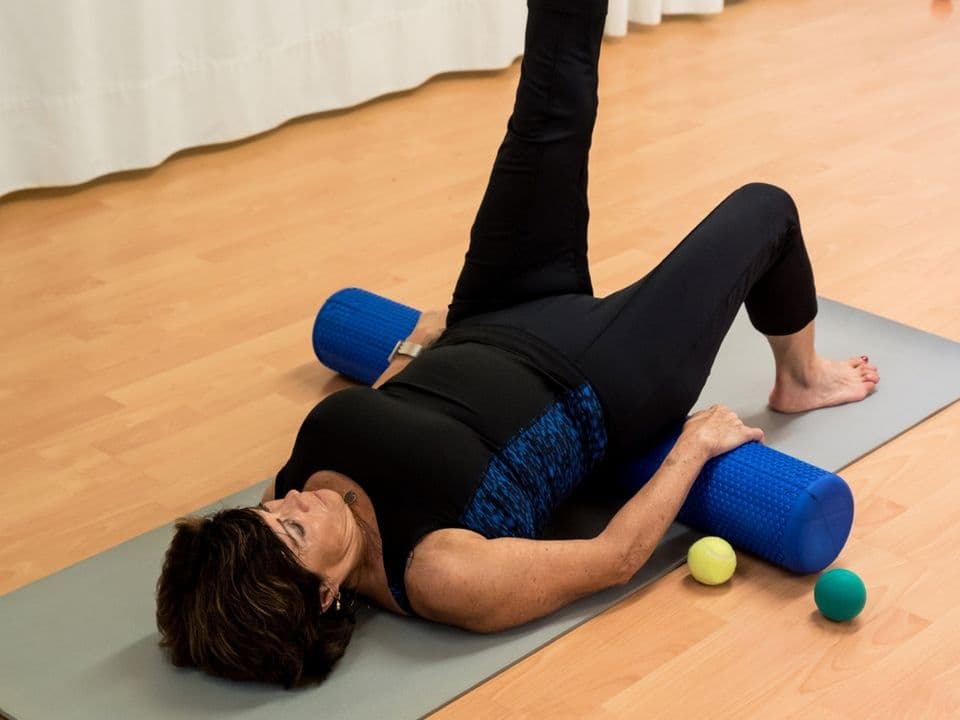
Causes of higher back pain include osteoarthritis and herniated disks. Learn the best exercises for high back pains and when to talk to a healthcare provider.
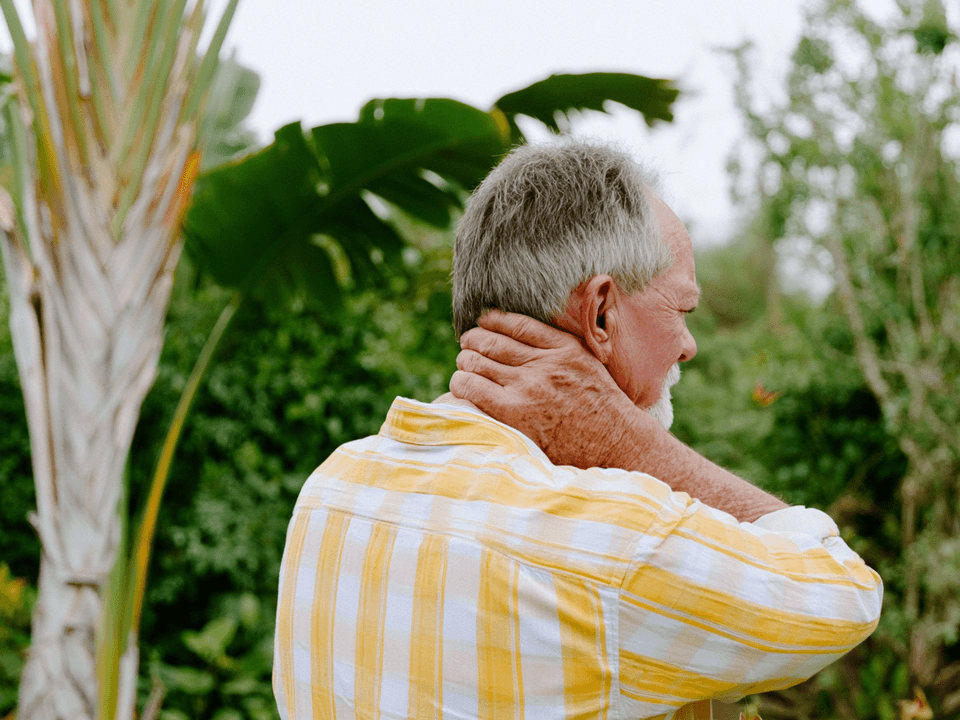
Looking for neck pain relief? Learn what’s causing your pain and find strengthening and stretching exercises to help with neck muscle pain and stiffness.
Glute exercises for seniors ease pain, prevent falls, and support weight loss for older adults by building muscle. Learn the best moves and how to start.
Learn about protein for seniors, including the best high-protein foods to eat and 3 simple ways to hit 80-100 grams daily without overhauling your diet.
For many adults over 65, weight can start to feel like a moving target. You may be eating the way you always have, staying reasonably active, and still noticing changes in your weight, your energy, and how your body feels day to day. One reason behin
Watch this webinar with registered dietitian Janice Baker to discover how the right foods can help you manage chronic conditions like diabetes, chronic pain, and arthritis.
Weak hamstrings cause back pain and raise fall risk. Discover 12 hamstring exercises for seniors including seated, standing, and floor options that build strength and support weight loss for older adults.
Sciatica stretches ease tension in your hamstrings and lower back to improve pain. Try these seated, standing, and floor stretches for sciatica relief.
Watch this webinar for simple weight loss tips as you age with registered dietician Janice Baker.
Healthy aging appointments with Bold providers are in-network with Medicare, Aetna, Anthem, Blue Cross Blue Shield, UnitedHealthcare plans, and more.
Core exercises for seniors can help improve lower back pain and prevent falls. Discover the best floor and seated core exercises for older adults.
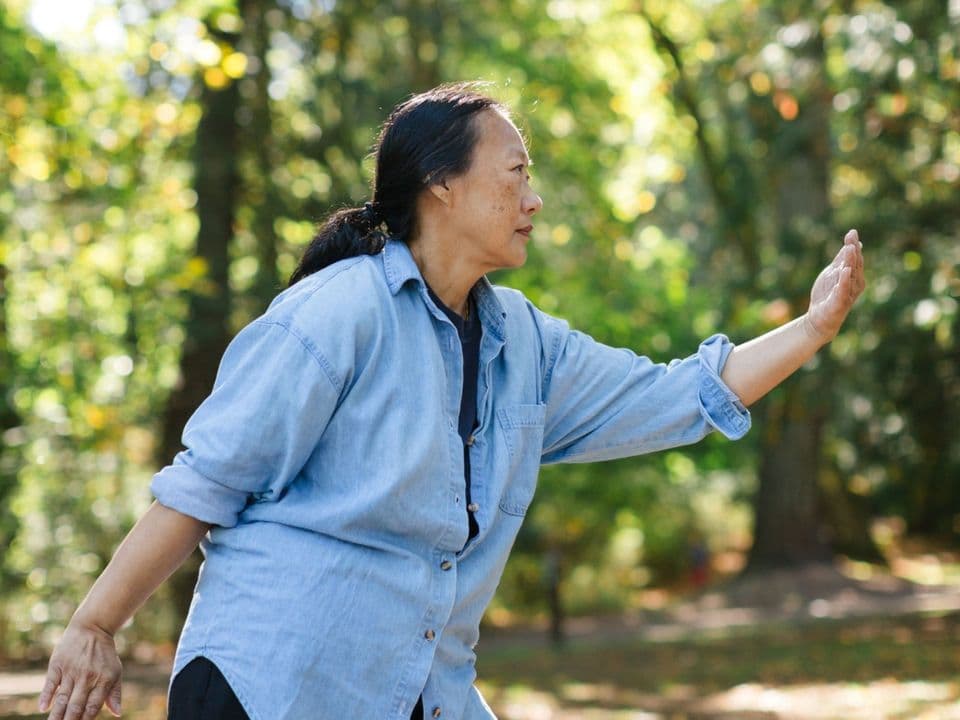
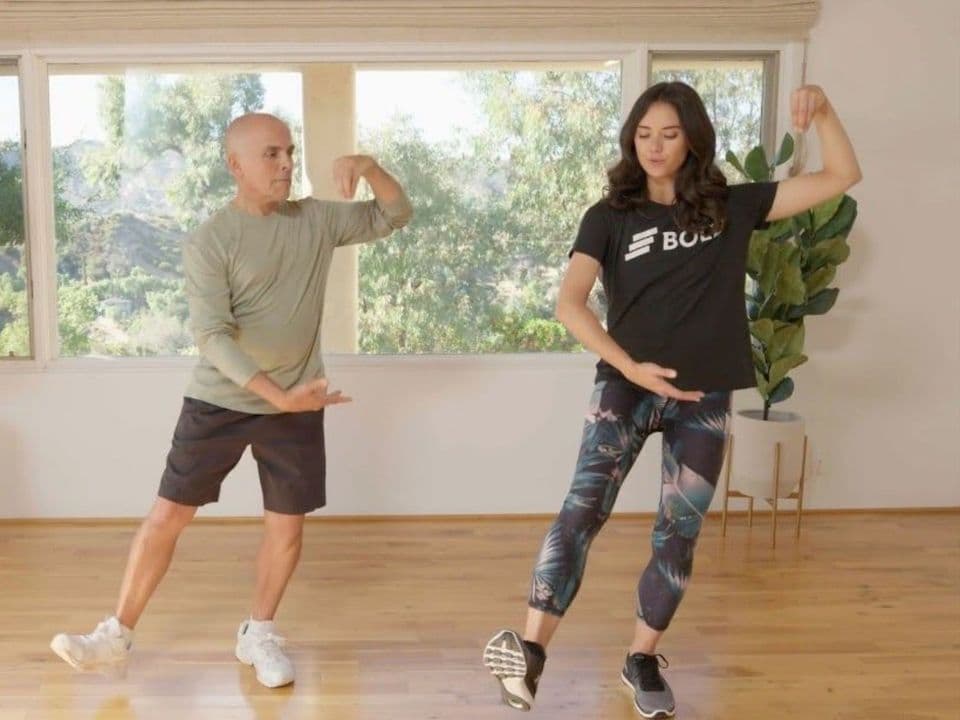
Tai Chi is a gentle form of movement that can help seniors improve balance, mobility, and mood. Learn more about Tai Chi exercises, including chair exercises.
Losing weight after 60 is challenging due to metabolism and hormone changes. Learn diet and exercise tips to lose weight without losing muscle.
Lower back pain can be caused by injuries or degenerative diseases, causing sharp or aching pain. Learn how to relieve lower back pain with exercise.
High cholesterol in seniors increases risk of heart attack and stroke. Lifestyle habits and cholesterol-lowering medications can help reduce your risk.
You can relieve sore knees with over-the-counter pain medications, lifestyle tweaks, and physical therapy. Learn more about exercises for knee pain for seniors.
Ease hip pain and improve mobility with simple exercises designed for seniors. Discover seated, standing, and floor moves to build strength and stay active.
Manage chronic conditions like pain and hypertension without more pills. Bold Care offers lifestyle medicine for $0 copay to CA UHC Medicare members.
Built for seniors who are tired of feeling tired, or stiff, or stuck. 78% of members pay $0 out of pocket for Bold Care.
Chair yoga for seniors is a safe and gentle way to improve your balance, posture, flexibility, and strength. Start with these beginner seated yoga poses.
Chair Pilates for seniors is a safe, low-impact exercise that can strengthen your core and improve your flexibility. Try these seated exercises for seniors.
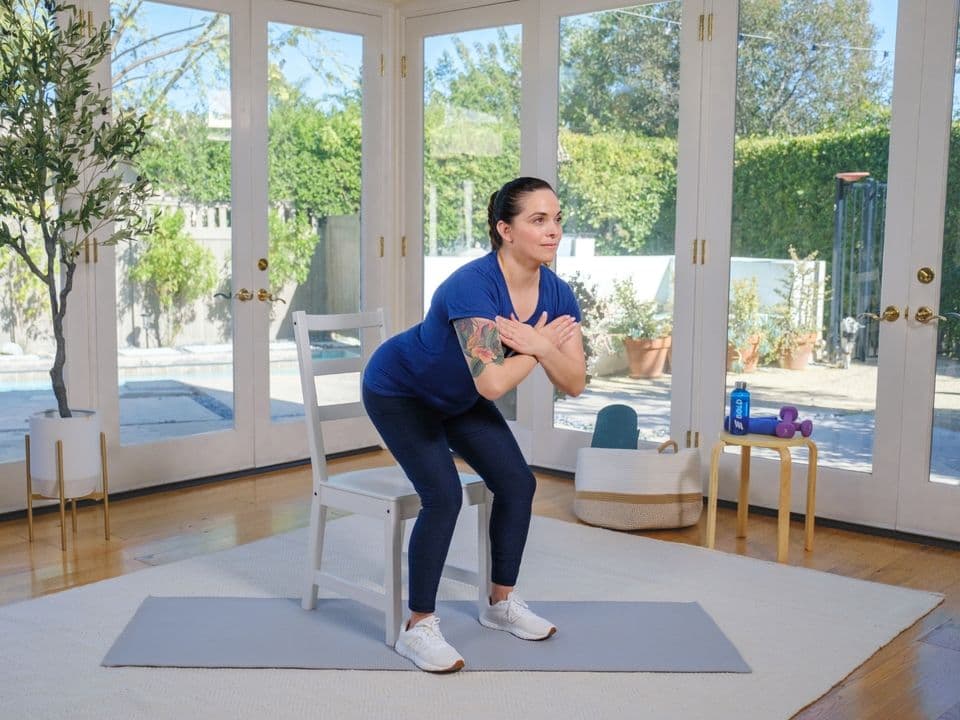
Chair squats build lower-body strength, ease knee pain, and support weight loss for older adults. Learn how to do a chair squat with proper form and variations to try.
Can you reverse type 2 diabetes? Do you need insulin? Get expert answers to 10 common questions about managing type 2 diabetes from a Bold care provider.
Hypertension in seniors affects 72% of adults over 60. Learn the causes, symptoms, and expert-backed ways to manage high blood pressure as you age.
Osteoarthritis in seniors is common but manageable. Learn about the best exercises for osteoarthritis and other lifestyle changes that can ease the pain.
Some stress in seniors is unavoidable, but learning how to boost mood can help you manage stress and improve your behavioral health as you age.
Get expert answers to 10 weight loss questions for seniors. Discover safe, effective strategies for nutrition, exercise, and healthy aging.
Discover the benefits of physical activity for seniors, including CDC guidelines, safety tips, and how to start exercising at any age.
Discover 8 simple habits to improve sleep for seniors. Learn why sleep is important for older adults, how aging affects rest, and practical tips to boost sleep quality, brain health, and overall well-being.
Why is nutrition important for seniors? As we get older, our bodies naturally go through changes that can affect everything from strength and mobility to memory, sleep, and digestion. Changes in our bodies can affect how we use and absorb nutrients,
Join Dr. Jessica Rexach as she answers key questions on Alzheimer’s, brain health, and how exercise, sleep, and lifestyle support healthy aging.
Get expert weight management tips for seniors. Learn how nutrition, strength training, and cardio support healthy, sustainable weight management after 60.
Looking for accessible exercise? Try these 3 chair yoga classes for seniors. Improve balance and flexibility with gentle, seated yoga routines you can do anywhere.
Bold trainer and certified nutritionist Meli Kirkwood shares practical healthy eating tips for older adults, including what to eat more of and what to limit.
Get expert answers to 9 common Alzheimer's questions, from symptoms and diagnosis to prevention tips and caregiver resources.
Learn tips to navigate exercise after illness or injury. Discover recovery tips, gentle movement options, and strategies to restart your routine with confidence.
Discover how to keep your summer workout routine with flexible tips, summer habits, and exercises for summer. Stay consistent, energized, and confident all season long.
Learn how to restart your routine and start working out again with small, sustainable steps. Discover practical tips for getting back to fitness, building consistency, and creating lasting healthy habits.
Stay active while traveling with simple exercises, stretches, and mobility routines to boost energy, reduce stiffness, and maintain fitness on the go.
Complete guide to depression in seniors: understand symptoms, causes, and explore treatment options for older adults.
Anxiety is the most common mental health condition in older adults. Learn the symptoms, causes, and treatment options including exercise and therapy.
Get answers to 6 key questions about bone health for seniors. Learn what causes bone loss, how to prevent weak bones in seniors, and the role exercise plays.
Learn why seniors should reduce alcohol consumption and discover the health benefits. Get practical tips to cut back on drinking and find support resources today.
Learn why quitting smoking matters at any age and how to break the habit for good. Discover coping strategies, the role of exercise, and how to get support.
Feeling lonely as you age? Learn practical steps for coping with loneliness, building social connection for seniors, and feeling less alone every day.
Learn the difference between normal aging and dementia. Discover causes, risk factors, prevention strategies, and how exercise protects brain health.
Incontinence doesn't have to stop you from dating or intimacy. Learn 10 practical tips about sex and incontinence, plus effective treatment options to help.
Strengthen your pelvic floor with exercises designed for seniors. Manage incontinence, improve pelvic health, and stay active with Bold classes.
Prepare for your next doctor visit with tips on discussing balance and fall prevention. Learn key questions to ask and how to reduce your fall risk as a senior.
Learn why talking to your doctor about physical activity matters and how to prepare for the conversation. Get tips to make exercise part of your care.
Struggling with bladder leaks? This guide helps you prepare for doctor visits, find the right specialist, and explore treatment options for urinary incontinence.
Find out exactly what equipment you need for Bold's online fitness classes. Spoiler: not much. A chair and a few feet of space is all you need to get started.
Learn how sleep needs change with age from sleep expert Dr. Kimberley Truong. Discover why quality sleep matters for seniors' health, signs of sleep problems, and expert tips for better rest.
Starting fresh with your health in the new year? Learn where to begin with fitness and wellness goals, how to make them stick, and how Bold can help.
Learn how to adjust your workout routine for hot summer weather safely. Discover tips for staying active outdoors and indoors when temperatures rise.
Morning or evening: what's the best time to exercise? Learn what research says and how to choose a workout schedule that fits your life and goals.
Learn how to set realistic, specific, and meaningful exercise goals for seniors. Discover short-term and long-term fitness goal examples to stay active and motivated at any age.
Turn fitness goals into reality with a simple 5-step action plan. Learn to assess your baseline, try a program, track progress, and stay motivated.
Discover the best stretches for seniors including hip stretches for flexibility, balance, and mobility. Learn when to stretch and get expert tips for safe, effective routines.
Discover safe, effective exercise tips for diabetes management in older adults. Get blood sugar control tips, workout guidelines, heat safety advice, and more.
Learn how to reduce joint strain and muscle tension at home as you age. Get ergonomic tips and pairing exercises that support a more comfortable daily life.
Avoiding exercise due to pain, lack of time, or low energy? Discover why you're not exercising and find simple strategies to overcome every barrier.
New to Bold? Learn how to prepare for your first Bold class, what to expect, and how to set yourself up for a consistent, fun fitness routine.
Check your eligibility and start personalized, expert-led online fitness classes today.
Learn how to sign up for Bold's live exercise classes. Get community connection and expert guidance from the comfort of your own home.
Learn how to do a squat with proper form, including chair squat modifications for seniors. Build lower-body strength and improve balance with Bold.
If there’s one word that comes to mind when describing powerlifter Abbey Moon, it’s determined. The Seattle-based weightlifting champion turned 77 and power lifts multiple times a week at her home gym, hosts Zoom classes with friends, and meets with
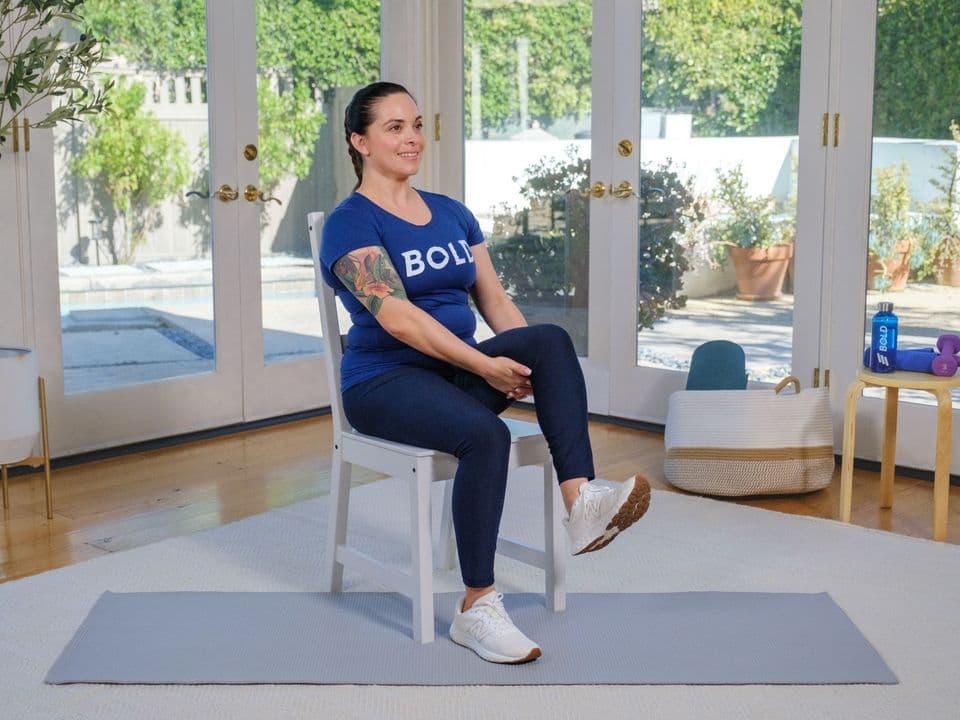
Discover 5 senior-friendly chair exercises to build strength, boost flexibility, and support healthy aging, all from the comfort of a sturdy chair.
Discover 5 senior-friendly chair exercises to build strength, boost flexibility, and support healthy aging.
Explore four senior-friendly chair exercise classes from Bold designed to improve balance, strength, and heart health.
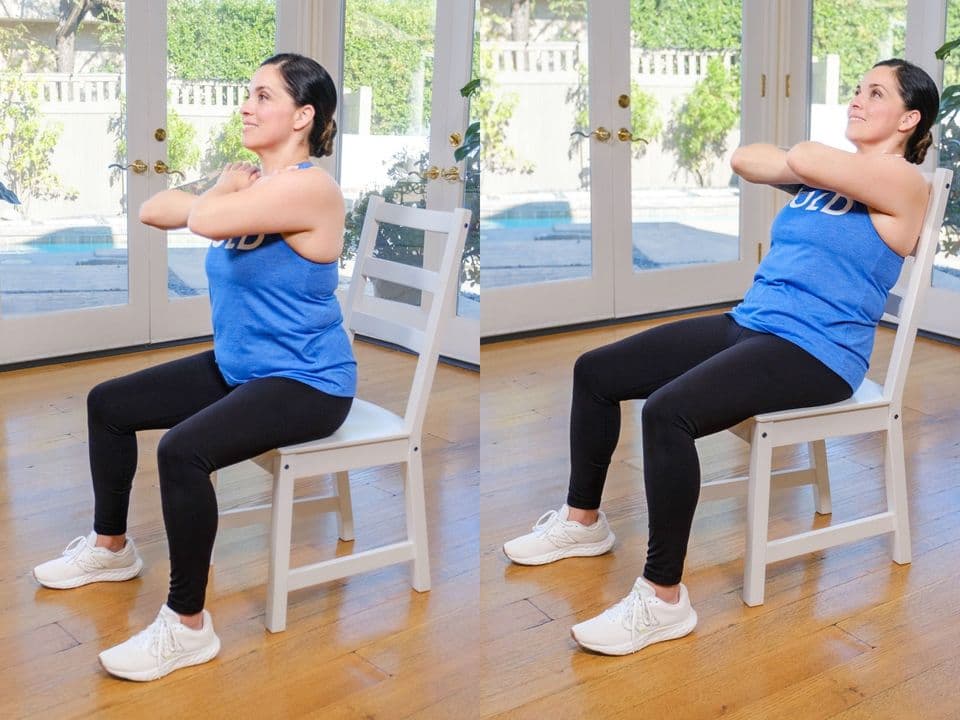
Chair sit-ups and other seated core exercises for seniors build strength, improve posture, and support balance, all without getting down on the floor.
Physical therapist Dr. Ranjani Kumar and Bold’s head trainer Alicia Estrada share expert advice on how balance affects healthy aging.
Learn why Tai Chi for seniors supports healthy aging. Discover 5 Tai Chi benefits for seniors: improved balance, better sleep, pain relief, and more.
Discover five simple, expert-backed ways to reduce stress and feel better every day with Bold.
Learn what causes bladder leaks in seniors and how to manage them with lifestyle changes like pelvic floor exercises.
Discover top sports for seniors: golf, tennis, pickleball and more. Stay active, safe, and healthy with age-friendly exercise tips.
Discover how exercise for mental health can help seniors manage depression and anxiety. Learn evidence-based tips to boost mood, reduce stress, and stay active.
Shuffling your feet may seem harmless, but it's a common gait issue that increases fall risk in older adults. Learn the causes and how to correct it with exercise.
Discover the benefits of chair workouts for seniors: build muscle, improve balance, and stay safe while seated. Get started with simple exercises at home.
Dr. Annie Fenn, physician and founder of Brain Health Kitchen, shares six science-backed food tips to help prevent Alzheimer’s disease and support lifelong brain health.
Discover what seniors need to know about brain health, including cognitive function, memory improvement, and exercises to support brain health as you age. Learn practical tips for maintaining mental sharpness.
Learn how bone health changes with age and discover practical tips to prevent osteoporosis. Explore risk factors and learn how lifestyle changes can keep your bones strong.
Fall prevention for seniors starts with balance training. Explore safe exercises, risk factors, and proven tips to stay safe and confident.
Expert aging-in-place tips from a certified specialist. Learn how to plan, modify your home, and stay safe as you age comfortably in the home you love.