How to relieve lower back pain: Causes, symptoms, and exercises to try
Lower back pain can be caused by injuries or degenerative diseases, causing sharp or aching pain. Learn how to relieve lower back pain with exercise.

Reviewed by
Key takeaways
- Lower back pain is very common in older adults, but any back pain that disrupts daily activities, sleep, or walking for more than a day or two is worth discussing with a healthcare provider.
- Common causes of lower back pain include disk degeneration, herniated disks, spinal stenosis, and compression fractures. Pain that comes with fever, leg weakness, or changes in bladder function needs immediate medical attention.
- There are many ways to manage lower back pain, including exercise, medication, physical therapy, and sometimes surgery.
- Stretching the hamstrings and glutes and strengthening the core muscles are two of the most effective ways to relieve lower back pain. Exercises like the knees-to-chest stretch, bird dog, and seated side bend can all help. Get moving with Bold today.
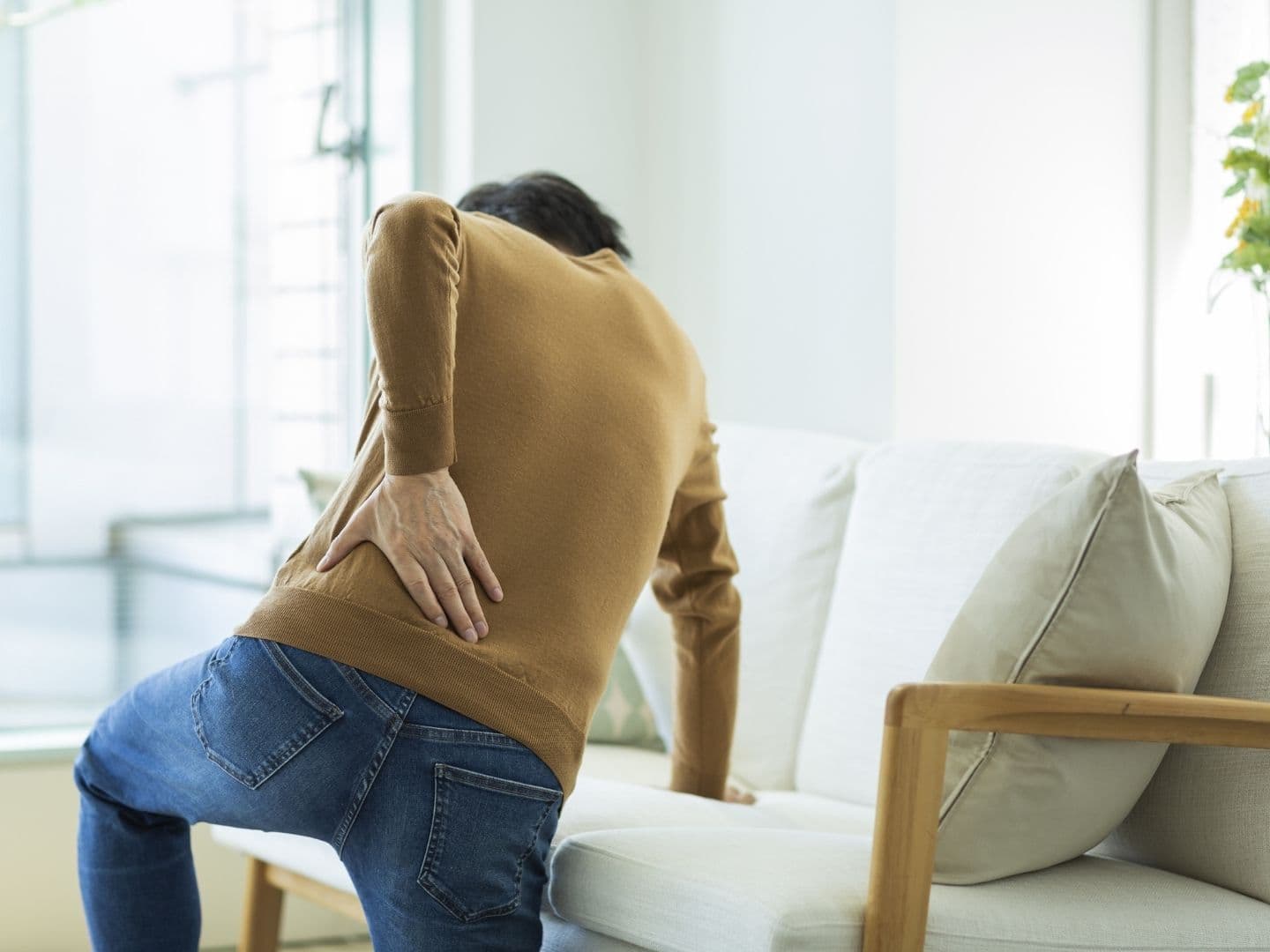
Globally, anywhere from 21 percent to 75 percent of adults over 60 are estimated to live with lower back pain. Around 30 to 40 percent have experienced low back pain in the last three months. When it’s chronic, this discomfort is a major source of disability. There are a number of reasons someone might experience pain in the low back, also called the lumbar spine.
Here, learn all about how to relieve lower back pain — including causes, symptoms, and lower back pain exercises to try that may bring some relief.
Understanding lower back pain
Because lower back pain is relatively common, it can be hard to know if you should be concerned about your discomfort or not. But any time low back pain makes it difficult to do (or enjoy doing) your daily activities or to sleep, work, or walk for more than a day or two, it’s worth discussing your symptoms with a trusted healthcare provider, says Bold physical therapist Dr. Claire Hsing.
They’ll help you identify the most likely causes of your low back pain and make suggestions for a treatment plan that’s most likely to bring you relief.
Identifying chronic low back pain
Low back pain is considered chronic if it lasts for more than three months. The symptoms can be very similar to short-term lower back pain, including sharp or stabbing pain and dull or achy pain.
Common causes of lower back pain
Low back pain can be the result of a specific injury, like from lifting something heavy. Other times, it can come on gradually, as parts of the low back change with age, use, or even sedentary behavior. It’s not always easy to pinpoint exactly where the pain is coming from or what the root cause is. This is difficult in part because the spinal cord, housed here, is made up of many nerves that affect your experience including where you perceive your symptoms.
Here are some of the most likely causes of lower back pain:
- Overuse: If you’ve recently been more active or active in a different way than usual, you might experience muscle soreness in your low back. Typically this pain clears up on its own within a few days.
- Underuse: Avoiding certain movements and behaviors or not exercising can also contribute to lower back pain. This can be a difficult cycle to break, as the pain may make you want to avoid movement even more, and not exercising makes you more vulnerable to pain later on.
And here are some of the most common diagnoses associated with lower back pain:
- Disk tears and degeneration: Your spine is a stack of 24 bones, called vertebrae. In between the vertebrae are small cushions of tissue called disks. As you age, you might develop small tears on the outside of the disks or the disks might wear away and shrink. The tears can cause back pain in some people. Degeneration can also cause vertebrae to rub against each other, causing pain and stiffness. This is called osteoarthritis of the spine, sometimes also called spondylosis.
- Herniated disk: Other people experience a herniated disk, sometimes called a slipped disk. This occurs when a disk between vertebrae bulges out toward the spinal canal (the tunnel through the center of your spine), often after you bend, twist, lift, or pull. The bulging disk then puts pressure on spinal nerves and causes back pain, and sometimes also glute and/or leg pain, if it’s in the low back.
- Degenerative spondylolisthesis: This condition is more common with age. Over time, the joints and ligaments (tissues that connect bones to other bones) that keep your spine in proper alignment allow vertebrae to move more than they should, which can cause pain if the bones slip enough to put pressure on spinal nerves.
- Spinal stenosis: This is a narrowing of the space around the spinal cord. It puts pressure on the cord and spinal nerves that leads to pain. This often happens with osteoarthritis in the spine, because your body tries to heal that damage by growing new bone, which ultimately narrows the spinal canal.
- Scoliosis: This abnormal curve of the spine typically develops in children and teenagers, but it can also be a result of osteoarthritis. The way the spine is curved can cause back pain as well as weakness in the legs in some cases.
- Compression fracture: As you age, your bones can break more easily, including the bones in your spine. Sitting down forcefully or falling can result in these bones collapsing (or compressing) in what’s called a compression fracture in your back, which can cause pain.
Symptoms of lower back pain
Low back pain can vary from person to person. Here are some of the ways you might experience it:
- Sharp or stabbing pain
- Dull or achy pain
- Cramping pain
- Pain that starts in one location and radiates down the leg or hip
- Numbness and tingling or changes in sensation
- Pain that gets better when you lie down
- Pain that gets worse when you bend, lift, sit, stand, or walk
- Pain that extends into the glutes, hips, or legs
If you have back pain with any of the following symptoms, talk to a doctor right away. These symptoms can be signs of infection, tumors, sepsis, or other urgent health concerns that may need immediate treatment, explains Bold Care provider Dr. Mitul Desai:
- Fever or chills
- Unintended weight loss
- Leg weakness or numbness
- Changes in bowel, bladder, or sexual function
- Severe abdominal pain
- Feeling lightheaded or fainting
When to seek medical treatment
You should also talk to a health care provider if your back pain is severe or it doesn’t get better after a few days, or if you have back pain following any kind of injury.
Get help with your lower back pain
Start your personalized pain management program today. Available at $0 co-pay for Original Medicare members.
Exercises for lower pain back
If your lower back pain started recently or is getting worse, is related to a traumatic event like a fall, or prevents you from bearing weight through your legs, talk to a healthcare provider before exercising on your own. It’s possible your pain is related to another health condition, and you should be evaluated before trying to exercise on your own.
Some providers, like physical therapists, can also help with a more personalized treatment plan involving manual therapy and tailored exercise programming to help you manage your symptoms.
If you’re new to exercises for lower back pain, keep in mind you can modify movements if they don’t feel comfortable. After your healthcare provider confirms it’s appropriate for you to move on your own, try a few different ways to move, and reflect on how you feel in the moment and after. As you get more comfortable moving over time, you’ll feel even more confident to continue experimenting with these and other exercises you can try on your own.
Stretches for lower back pain
Sometimes, tightness in your hamstrings and glutes, which attach to your pelvis and spine, can cause pain in your back. Stretches for lower back pain often aim to loosen these muscles. “Stretching these key muscle groups helps to loosen the tension in surrounding tissues and restore muscular balance,” says Bold head trainer Alicia Rios. “Maintaining this flexibility can significantly reduce lower back discomfort and improve function.”
Here are a few examples.
Knees-to-chest stretch
- Start lying on your back or seated in a chair.
- Bend your knees and hug your legs behind your knees as you pull them gently in toward your chest. You can also hold your legs on top of your shins if that’s easier or more comfortable for you. You can also pull one knee in at a time if you’re sitting down.
- Hold for 30 to 60 seconds.
Cat cow stretch
- Start on your hands and knees, knees directly under your hips, palms directly under your shoulders.
- On an exhale, push your spine up toward the ceiling and allow your head to fall toward your chest, rounding your back into cat pose. Pause briefly.
- Slowly relax and let your stomach fall toward the floor, arching your back as you tilt your chin up into cow pose. Pause briefly.
- Continue alternating between the two for 30 to 60 seconds.
If getting onto your hands and knees isn’t available to you, you can also do a seated cat cow.
Hamstring stretch
- Start lying on your back on the floor with your knees bent and feet flat.
- Lift one leg and bring your knee toward your chest. Hold the back of your thigh below your knee with both hands. If this is challenging for you, you can loop a towel around the back of your thigh instead.
- Straighten your leg and gently pull it toward you until you feel a stretch in the back of your thigh.
- Hold for 30 to 60 seconds.
- Repeat on the other side.
If getting into this position feels challenging, recreate the same stretch in a chair. Sit with your leg straight out in front of you. Bend forward from your hips to bring your belly closer to your thigh.
You can find more back, glute, and hamstring stretches to follow along with in Bold's pain management program.
Core exercises for lower back pain
Your pain may be caused by weakness in the abdominal muscles that support your lower back. That means some of the best exercises for lower back pain are those that build core muscle strength. “Core-strengthening exercises alleviate lower back pain by improving spinal stability, muscle support, and posture,” Rios says. Your core technically includes many different muscles in your torso, and building strength there reduces strain on your back, she adds.
Bird dog
- Start on your hands and knees, knees directly under your hips, palms directly under your shoulders.
- Extend one arm and the opposite leg out long. Pause briefly.
- Return to the starting position, then repeat with the other arm and leg.
- Continue alternating sides for a few repetitions.
Seated side bend
- Start sitting tall at the front of a sturdy chair with your feet flat on the floor and your arms at your sides.
- Keeping your upper body straight, lean to your right side from your waist as far as you can comfortably go.
- Use your left side to pull your upper body back to the center.
- Repeat to the right.
- Continue alternating sides for a few repetitions.
Plank
- Start on your forearms and your knees. Engage your core and your glutes to keep your body in a straight line from your head to your hips to your knees.
- Don’t let your back arch or sag as you hold for 10 to 30 seconds.
You can also do a plank on your palms and your toes, depending on what feels best for you.
You can find these and other ab-strengthening exercises in many of Bold’s core exercise classes.
Other low back pain treatments
Exercising on your own isn’t always enough to manage low back pain. And if your pain persists, it’s time to talk to a healthcare provider like a physician or physical therapist. They’ll ask you about your symptoms, examine your back, and may ask you to perform some movements or reflex tests.
They may refer you for various imaging tests, such as X-rays, MRIs, or CT scans, to get a better sense of whether there are any structural issues that might be affecting your pain. Then, they’ll come up with the best treatment plan for your needs.
Physical therapy
A physical therapist can create a tailored exercise program to help you manage your lower back pain, including stretching, core strengthening, and posture retraining.
They can also offer other interventions, including soft tissue work, cupping, and taping. You may also learn techniques to help you do certain daily activities in ways that limit your pain and ease your functional ability.
You can ask your doctor for a recommendation for a trusted provider
Medications for low back pain
It’s best to talk to a healthcare provider about medication options for lower back pain, even if you’re considering over-the-counter products. These medications still have side effects, and they’re meant to provide short-term relief.
But you might also be offered prescription medications, including opioid painkillers, muscle relaxants, or a low dose of an antidepressant, which can sometimes help with chronic pain. Some people with lower back pain find relief from anticonvulsant medications, which may help treat some nerve pain.
Over-the-counter treatments
Providers may be more likely to recommend acetaminophen than ibuprofen because it’s linked with fewer side effects. Confirm with your doctor that either is safe and appropriate for you to take. Talk to them about how much to take and how often.
Surgery
In some rare cases, doctors will consider surgery for lower back pain, but it’s not for everyone and results vary. It can take some time to identify, with your healthcare provider, the most effective treatment for your low back pain. “Chronic back pain is often complex. Just as a complicated math problem takes more skill and time to address than simple arithmetic, chronic back pain can benefit from a combination of interventions and even from the collaboration of several clinical providers,” says Dr. Claire Hsing, DPT. Surgery is not always an option, even for chronic low back pain, as it may not adequately address the underlying issue.
Get help with your lower back pain
Start your personalized pain management program today. Available at $0 co-pay for Original Medicare members.
More from Bold
Chair workouts for seniors: Your top 5 questions, answered
Discover the benefits of chair workouts for seniors: build muscle, improve balance, and stay safe while seated. Get started with simple exercises at home.
Why are your knees sore? Causes, relief, and treatment options for aching knees
You can relieve sore knees with over-the-counter pain medications, lifestyle tweaks, and physical therapy. Learn more about exercises for knee pain for seniors.
Physical activity for seniors: Benefits, guidelines, and how to start safely
Discover the benefits of physical activity for seniors, including CDC guidelines, safety tips, and how to start exercising at any age.