How to talk to your doctor about balance and fall prevention
Prepare for your next doctor visit with tips on discussing balance and fall prevention. Learn key questions to ask and how to reduce your fall risk as a senior.

Written by

Reviewed by

Key takeaways
- Balance changes in seniors are common as we age. But they are not unavoidable. Many causes of poor balance can be treated.
- Go to your provider if you've noticed balance changes or had a near-fall. Acting early is important.
- Prepare for your visit. Bring a list of your symptoms, medications, and questions about balance and fall prevention.
- Your provider can check your fall risk, review your medications, and refer you to a fall prevention program. Talk to a Bold Care provider about changes to your balance and make a plan.
Balance changes are a common part of getting older. Lots of different things affect our balance as we age, including muscle loss. And as our balance changes, we may be more likely to fall. Up to 1 in 4 seniors experience a fall every year. There are steps you can take to lower your risk of falling.
When trying to address your falls risk, it can be hard to know where to start. Often, it’s easy for seniors to dismiss a fall or stumble as no big deal, or accept it as an inevitable part of aging. In reality, it’s something you can have an impact on. A good first step is to talk to your provider about balance challenges. While this topic can feel vulnerable or uncomfortable, it’s important to be open minded to getting outside help. Your provider can help understand what variables are contributing to your specific fall risk and make a plan to help.
Keep reading to learn when to talk to your provider, how to prepare for your visit, and what they can do to help with balance and fall prevention.
When should I talk to my provider about balance changes?
You should talk to your provider about balance changes if you have noticed any differences in your balance recently, have concerns about your risk of falling, or have actually experienced a fall. Some people feel embarrassed about falling and don’t want to talk about it. But it’s important to remember that falls are common, and your care team is here to help.
How can my provider help me with fall prevention and improve my balance?
Your provider will talk to you about some common reasons people fall, including:
- Vision changes
- Inner ear problems that affect balance
- Health conditions that affect muscle strength and movement
- Environmental conditions in the home
They can help figure out what’s causing your balance problems and work with you to make a plan to improve your balance and feel more confident.
A provider who really listens
Book an appointment with a Bold Care provider to better understand your health and get a healthy aging plan built for you.
How can I prepare for my visit?
Reflecting on your experience prior to your appointment can help you make the most out of your provider visit.
Here are some things to consider to prepare for your visit:
- When you noticed changes: When did my balance changes start?
- Recent health changes:
- Injury: Did I have an accident or injury before I noticed balance changes?
- Medication: Did I start taking a new medication before I noticed balance changes?
- Physical symptoms: Do I experience dizziness, lightheadedness, or feeling faint?
- Fall history: Have I fallen recently? Where and what was I doing?
- Environment:
- Have there been any changes to my environment recently, like moving to a new home?
- Does my home have good lighting, secure rugs, and handrails where needed?
- Consider changes in seasons: Was there ice or snow outside since it’s winter? Did I have difficulty walking outside in the fall due to leaves in my path?
- Hearing and vision checks: When was the last time I had a vision test or a hearing test?
- Daily activity
- Do I have trouble with stairs, getting up from chairs, or walking on uneven surfaces?
- Is my balance better or worse during certain times of day?
Dr. Claire Hsing, DPT, shares: “Reflecting on these ahead of time can help you collect your thoughts and present a more complete picture of your situation to your provider. Remember that your provider relies on this information to support their assessment and development of a good action plan for you.” Your provider can help you understand your experience and how other factors may be impacting your balance.
Questions to ask your doctor about balance and falls
- Causes: What might be causing my balance problems or increasing my fall risk?
- Medications: Are any of my current medications affecting my balance?
- Assessments:
- Should I have a formal balance assessment or see a physical therapist?
- Do I need any tests (vision, hearing, blood pressure, vitamin D levels)?
- Should I get a home safety evaluation?
- Physical activity: What exercises can help improve my balance and strength?
- Mobility aids: Would assistive devices like a trekking poles, a cane, or a walker help?
Based on your conversation, your provider might recommend physical activity, mobility aids, or hearing and vision checks. Learn more about fall prevention strategies.
How Bold can help
If you’re looking to improve your balance, Bold has a library of online exercise classes designed for seniors. From chair yoga to Tai Chi to strength training, we have plenty of options to help you improve muscle strength and coordination. See you in class!
A provider who really listens
Book an appointment with a Bold Care provider to better understand your health and get a healthy aging plan built for you.
More from Bold
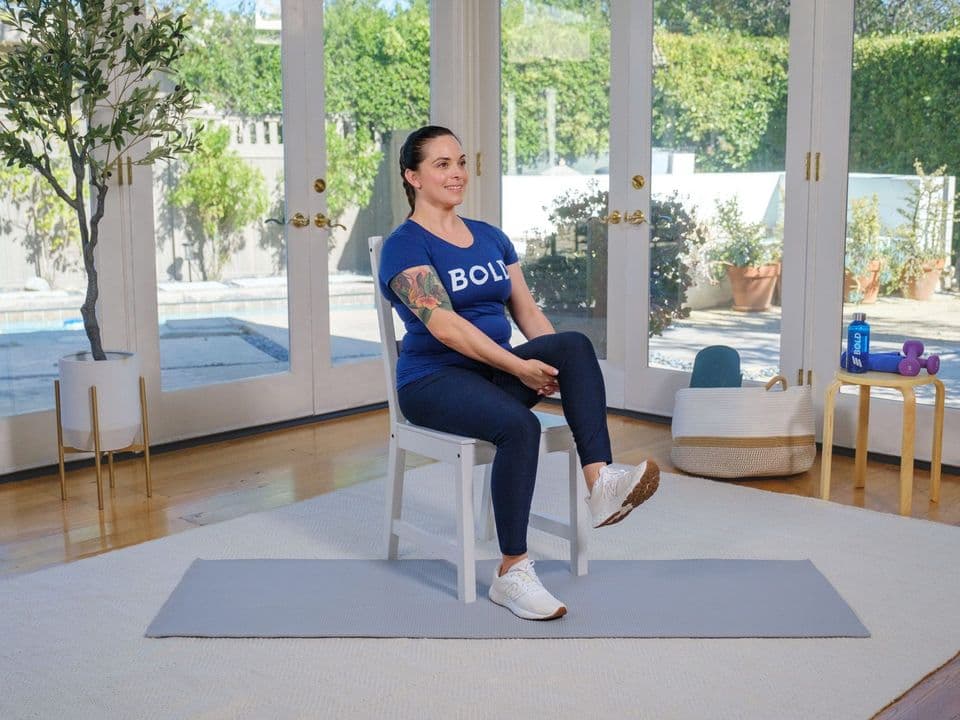
Fall prevention for seniors: Staying safe, strong, and independent
Fall prevention for seniors starts with balance training. Explore safe exercises, risk factors, and proven tips to stay safe and confident.
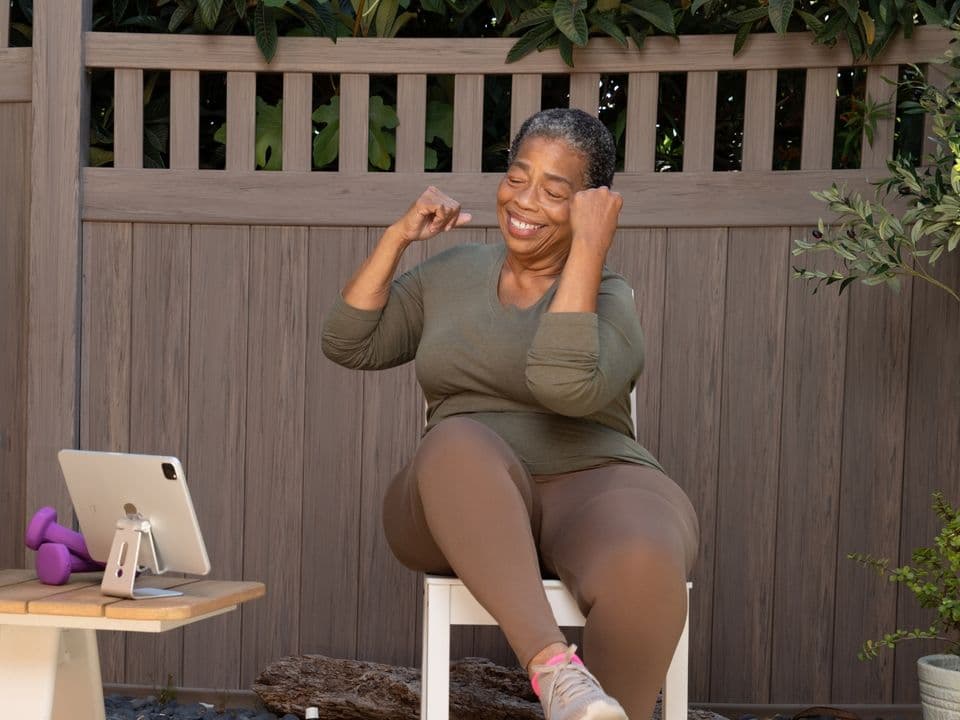
Your questions about healthy aging and balance, answered
Physical therapist Dr. Ranjani Kumar and Bold’s head trainer Alicia Estrada share expert advice on how balance affects healthy aging.

Bold Member Story: How a Healthcare Lifer Finds Balance and Strength with Bold
Tom, a Bold member with Kaiser Permanente, shares how he has improved his balance and strength by building a physical activity routine at home