Fall prevention for seniors: Staying safe, strong, and independent
Fall prevention for seniors starts with balance training. Explore safe exercises, risk factors, and proven tips to stay safe and confident.

Reviewed by
Key takeaways
- Falls are the leading cause of injury in older adults. One in four adults over 65 falls each year, but many falls can be prevented.
- Effective fall prevention strategies include balance training, home safety changes and vision and medication reviews.
- Try Bold's online balance classes to build strength and stability.
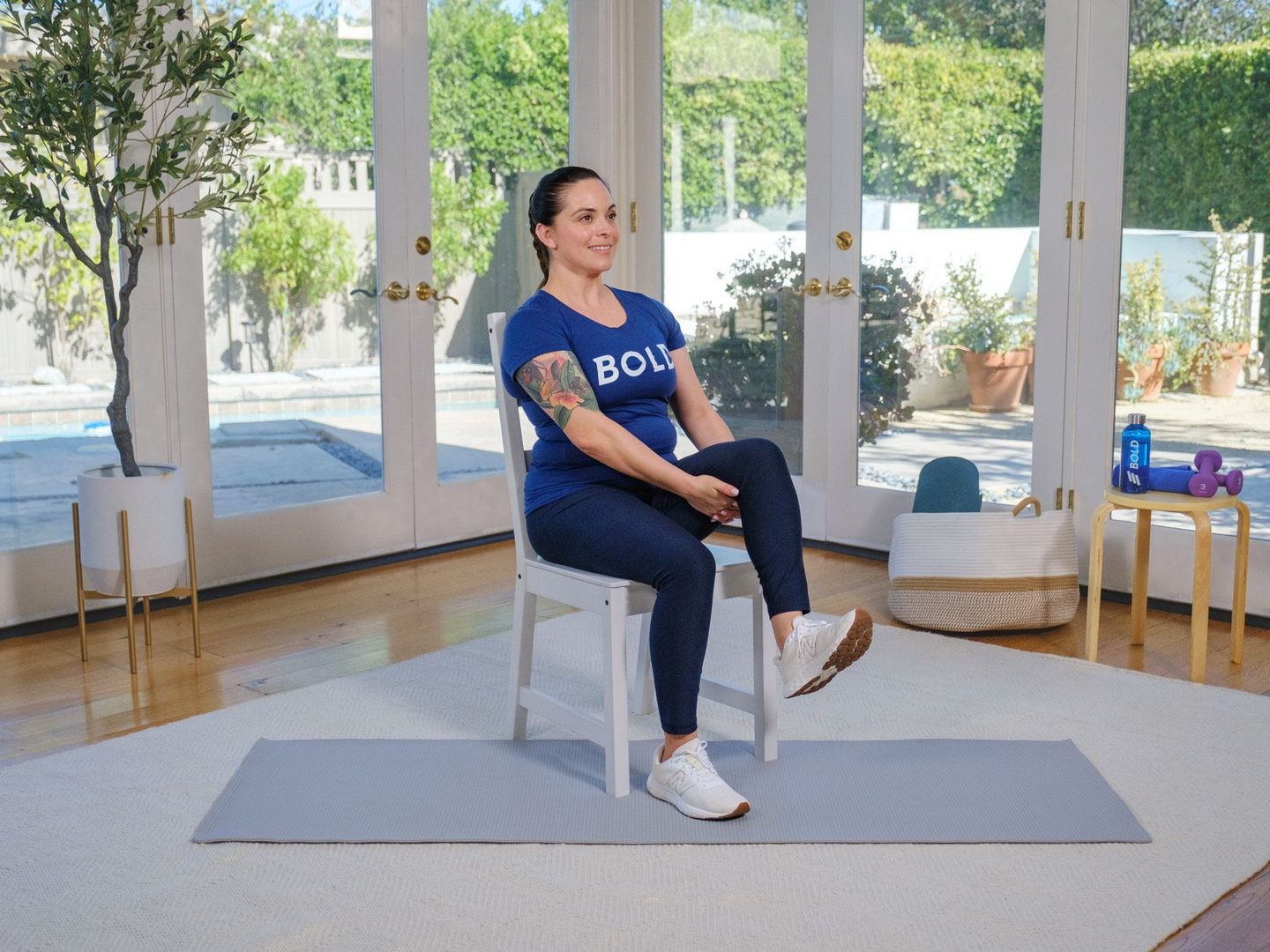
Balance plays a key role in healthy aging. As we age, our bodies experience a variety of changes that can lead to a higher risk of falling. Falls are the top cause of injury and hospital visits for older adults, but many falls can be avoided. With the right fall prevention strategies, seniors can stay active, safe, and independent well into their later years.
This guide will walk you through everything you need to know about exercises for seniors, fall prevention, and how to improve balance and coordination.
What are the most common causes of balance problems in seniors?
The first step in fall prevention: Understanding why you’re losing your balance in the first place. Common causes of falls include:
Things you can change (modifiable risk factors)
- A sedentary lifestyle. If you’re not active enough you can develop muscle weakness, especially in the legs and core. This makes it harder to stabilize your body.
- Environmental hazards. Cluttered walkways or dim lighting can cause balance problems.
- Medication side effects. Some medications cause dizziness, drowsiness, or slow reaction times. If you think your medication is affecting your balance, speak to your care team. Never change a medicine or stop taking a medicine without your doctor’s instruction.
Things you can’t change (non-modifiable risk factors)
- Vision changes. Our eyesight can get worse with age, and it can get harder to see at night. Some people may have other vision problems, like cataracts or glaucoma. Vision changes make it harder to see obstacles or judge distances.
- Inner ear problems. Parts of our inner ear play a key role in keeping our bodies balanced. So ear problems, like Meniere’s disease, can affect our balance.
- Other health conditions. Conditions that affect our muscles, bones, and movement can change our balance.
What are some signs I’m at risk for a fall?
You may be at risk for a fall if you find yourself:
- Using your arms to push up from a chair (instead of your legs)
- Shuffling gait, or dragging your feet along the floor instead of lifting them while walking
- Leaning forward or noticing other posture changes that affect your balance
- Feeling unsteady when you stand up
- Feeling dizzy or lightheaded, especially while standing or walking
- Touching or holding onto furniture while walking
- Struggling to walk in the dark
- Avoiding activities or tasks because of a fear of falling
When should I get help?
If you notice any of the signs above, or other changes in your balance, it’s important to talk to your healthcare provider about what you can do to prevent falls. See a doctor if:
- You’ve fallen in the past year
- You often feel dizzy or unsteady
- You suspect your medications may be affecting your balance
- You have other health conditions that affect your stability
Improve your balance
Bold's balance classes are designed to help seniors build strength and lower fall risk.
How does exercise improve balance?
Research shows that regular exercise is one of the most effective ways to prevent falls. Here's how different types of exercise can help:
Strength training
These are exercises that increase muscular strength by using some kind of resistance, like body weight or additional weights. Examples include squats, sit-to-stand exercises, or compound movements like a push press.
Strength training can:
- Fight age-related muscle loss
- Make it easier for you to catch yourself if you start to fall
- Make it easier for you to get up from chairs and climb stairs
- Strengthen the muscles that keep you standing up straight
Dual-task training
Dual-task training is when you do two things at once: usually a physical task and a mental task. This is important for fall prevention because most falls happen when people are distracted or doing multiple things at once. Examples of dual-task training include walking while counting backwards, or lifting one foot while reciting the alphabet.
Dual-task training can:
- Train your brain to handle multiple tasks at once. This can allow you to more safely multi-task in your day to day life, like walking and talking on the phone at the same time.
- Improve your coordination of quick movements, including how you might catch yourself if you start to fall.
Tai Chi
Research shows that Tai Chi, a low-impact Chinese martial art with slow, flowing movements and deep breathing, can help with balance.
Tai Chi can:
- Improve body awareness and coordination
- Help you practice shifting your bodyweight in all directions
- Improve your posture and body alignment
- Help you combine physical movement with mental focus
- Use slow movements to challenge your muscle strength in a new way
What are some other fall prevention strategies?
Exercise is a very important part of fall prevention, but it’s not the only thing to think about. You can also address:
Environmental hazards
- Remove or secure loose rugs
- Keep walkways clear of clutter
- Install handrails and grab bars
- Wear well-fitting shoes with non-slip soles
Lifestyle changes
- Stay hydrated to avoid dizziness linked to dehydration
- Get regular vision and hearing checks
- Get good sleep to help maintain coordination and reaction time
Key takeaways: Your path to better balance
Losing balance as we age is common, but fall prevention strategies can help. Regular exercise with a focus on strength and balance training makes a big difference. Bold has hundreds of classes to help you.
Tips to manage your risk of falling:
- Talk to your doctor about fall prevention strategies, including exercise, home safety, medical checkups, and a positive mindset.
- Once you’re cleared for exercise, start with movements you feel comfortable doing.
- Explore your comfort zone with exercise and learn how to push the boundaries without crossing them.
- Use support as needed (chair, wall, or rail) until you feel more confident.
- Celebrate small improvements and focus on progress, not setbacks.
- Stay socially connected. Group classes like Bold’s live classes can help you build confidence.
It’s never too late to start. Every step you take toward better balance is a step toward greater independence and confidence. Check if you’re eligible for Bold through your health plan and get moving today.
Improve your balance
Bold's balance classes are designed to help seniors build strength and lower fall risk.
More from Bold
Your questions about healthy aging and balance, answered
Physical therapist Dr. Ranjani Kumar and Bold’s head trainer Alicia Estrada share expert advice on how balance affects healthy aging.
How to talk to your doctor about balance and fall prevention
Prepare for your next doctor visit with tips on discussing balance and fall prevention. Learn key questions to ask and how to reduce your fall risk as a senior.
10 reasons why older adults walk with a shuffling gait
Shuffling your feet may seem harmless, but it's a common gait issue that increases fall risk in older adults. Learn the causes and how to correct it with exercise.