Eating for your liver after 60: What to eat and what to avoid
Looking for a liver-friendly diet? Discover the best foods to reduce fatty liver (MASLD), budget-friendly pantry staples, what to limit, and how coffee, fiber, and protein protect your liver.
Written by
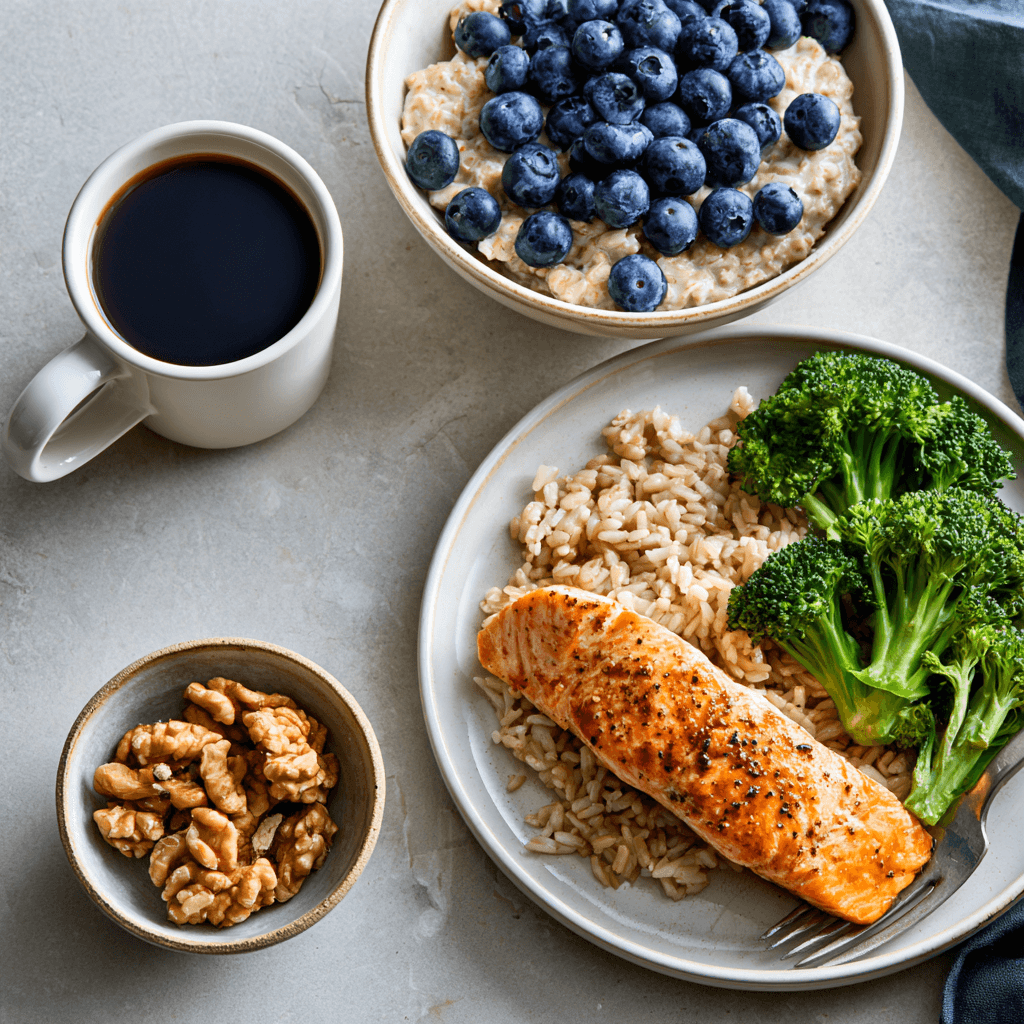
Eating for your liver after 60: What to eat and what to avoid
Key takeaways
- The food and drinks you choose every day are some of the most powerful tools to take metabolic stress off your liver – and reverse fatty liver disease.
- The same eating pattern that protects your heart, kidneys, and blood sugar also helps reduce liver fat and inflammation.
- Foods rich in fiber, lean protein, and plant antioxidants strengthen your gut lining, steady your blood sugar, and reduce the fat and inflammatory stress sent to your liver.
- Your specific needs depend on your liver health, existing conditions, medications, and overall health goals. A Bold Care appointment can help you build a personalized plan to support your liver health, nutrition, and more.
When you are told to "eat better for your liver," it is easy to picture a strict, complicated meal plan or hours of cooking from scratch every day. In reality, the science tells a much more reassuring story.
The same eating pattern that protects your heart, kidneys, and blood sugar also helps reduce liver fat and inflammation (opens in new tab). Plus, you do not need expensive specialty ingredients or rigid food rules to see real improvements.
Here is a practical, evidence-based guide to eating for your liver after 60 – designed for real-world budgets, energy levels, and appetites.
Why liver health matters after 60
Your liver is your largest internal organ and acts as your body’s central metabolic command center. It performs more than 500 vital functions every single day (opens in new tab). Beyond filtering medications and metabolic waste, your liver regulates blood sugar, produces cholesterol and triglycerides, activates vitamin D for bone health, and helps your blood clot.
Because your liver works in constant partnership with your heart, kidneys, muscles, and digestive tract, what happens to your liver affects your whole body. Early liver changes rarely cause pain or obvious symptoms, which is why so many people don’t know they have them.
Understanding fatty liver disease (MASLD)
The most common liver condition in older adults today is metabolic dysfunction-associated steatotic liver disease (MASLD) (opens in new tab) – formerly called non-alcoholic fatty liver disease (NAFLD). As the old name implies, MASLD isn’t caused by alcohol. It happens when excess fat builds up inside liver cells because of how the body processes blood sugar, insulin, and blood fats.
It is remarkably common and often silent. MASLD affects roughly a third of adults (opens in new tab), and an estimated 60% to 70% of adults with type 2 diabetes have some form of fatty liver disease (opens in new tab). Routine blood tests for liver enzymes (AST and ALT) can look normal in the early stages.
Left unaddressed over many years, fat buildup can lead to liver inflammation (MASH), then scar tissue (fibrosis), and eventually permanent scarring (cirrhosis).
More optimistically, when caught early, fatty liver disease can actually be reversed. The liver is one of the few organs that can repair itself. The foods and drinks you choose every day are some of the most powerful tools to take metabolic stress off your liver.
Two ground rules: "Fed is best" and consistency counts
Before diving into specific foods, two foundational clinical principles guide liver nutrition for older adults.
- Nutrition is not one-size-fits-all. A healthy appetite is a sign of resilience. Gradual, supported weight loss can help reverse early MASLD, but unintended weight loss, undernutrition, or overly strict dieting can actually elevate liver enzymes and weaken muscle. If you are recovering from an illness, managing a low appetite or juggling daily stress, the priority is getting enough nourishing food – not chasing perfection.
- Regular meals are best. Skipping meals or fasting for long stretches during the day often leads to blood sugar swings and late-night cravings in older adults. Your liver thrives on a steady daily rhythm: regular, balanced meals during the day, then rest and reset overnight during 7 to 9 hours of quality sleep.
The eating pattern with the strongest evidence: Mediterranean-style
No single diet or “superfood” fixes your liver, but an overall eating pattern can. Among all the diets studied, a Mediterranean-style diet has the most consistent evidence for lowering liver fat, improving blood sugar control, and reducing heart disease risk. That’s why major liver guidelines recommend (opens in new tab) it for everyone with MASLD.
In a 2025 study of older adults (opens in new tab), those who ate the most Mediterranean-style foods had a lower risk of MASLD, while a high intake of ultra-processed foods was tied to a higher risk.
A Mediterranean diet means:
- Vegetables and fruits at most meals
- Beans, lentils, nuts, and seeds several times a week
- Whole grains in place of white bread or white rice
- Fish or seafood about twice a week
- Extra-virgin olive oil as your main cooking fat
- Red and processed meats as occasional extras, not daily staples
You don’t have to eat Greek or Italian food to follow it. Black beans and rice, a vegetable stir-fry with brown rice, or salmon with collard greens all fit.
Build a liver-friendly plate
An easy way to put this into practice at any meal is to build your plate along these lines:
- Half the plate: Vegetables and/or fruit (fresh, frozen, or canned all count)
- One quarter: Lean protein (fish, poultry, eggs, beans, tofu, Greek yogurt)
- One quarter: Whole grains or starchy vegetables (oats, brown rice, quinoa, sweet potato)
- Add: a drizzle of olive oil, a sprinkle of nuts, or a few slices of avocado
- Drink: Water, unsweetened tea, or coffee
What to eat: The best foods to support and protect your liver
Think of your digestive tract as a 30-foot-long highway leading straight to your liver. Foods rich in fiber, lean protein, and plant antioxidants strengthen your gut lining, steady your blood sugar, and reduce the fat and inflammatory stress sent to your liver.
1. Fiber-rich plant foods (great for your liver and gut)
Dietary fiber acts like a daily workout for your digestive tract. It feeds helpful gut bacteria that make protective compounds called short-chain fatty acids, and it helps keep inflammatory compounds out of your bloodstream.
- Whole grains and oats: Old-fashioned rolled oats, barley, quinoa, and brown rice provide soluble fiber that helps lower triglycerides and stabilize blood glucose.
- Beans, lentils and seeds: Canned or cooked black beans, lentils, chickpeas, chia seeds, and ground flaxseed offer an affordable mix of soluble fiber and plant protein.
- Fruits and vegetables (all forms count): Berries, kiwi, oranges, leafy greens, broccoli, and artichokes are packed with liver-protective compounds called polyphenols. Fresh, frozen, and canned (no-salt-added or packed in water) are equally nutritious – and you don’t need to buy organic to get the health benefits.
- Busting the "fruit sugar" myth: Whole fruit is not a "sugar bomb". Unlike soda or juice, whole fruit packages natural sugars inside water and fiber, which slows absorption and protects against fatty liver. There is no "bad" fruit or vegetable.
2. Lean protein to protect muscle mass
Muscles act like a metabolic sponge that absorb blood sugar and help clear metabolic waste products like ammonia – taking work off your liver. Adults over 60 need consistent protein at every meal to prevent age-related muscle loss (sarcopenia).
Experts in aging and nutrition now recommend 1.0 to 1.2 grams per kilogram per day for older adults. In practical terms, that's roughly 80 to 100 grams per day for most people. (Calculate how much protein you need here (opens in new tab).)
- Everyday staples: Skinless poultry, fatty fish rich in omega-3s (like salmon, sardines, or canned tuna), eggs, plain Greek yogurt, cottage cheese, tofu, and legumes.
- Choosing lean cuts of beef and pork: You do not have to give up red meat completely to protect your liver. Choose lean, unmarbled cuts from along the backbone – such as pork tenderloin, beef tenderloin (filet mignon), or sirloin – and treat meat as a palm-sized side portion (about the size of a deck of cards) paired with generous vegetables and whole grains.
If you’re looking for a more comprehensive guide to protein, including why it matters for muscle protection and overall health, sample high protein days, tips for ordering at restaurants or for delivery, and more, explore our Protein Guide for Adults 60+ (opens in new tab).
3. Healthy fats (especially olive oil)
Replacing saturated fats (butter, fatty meats, fried foods) with unsaturated fats helps reduce fat buildup inside liver cells.
- Go-to choices: Extra-virgin olive oil, avocados, walnuts, almonds, and natural nut butters.
- Easy swaps: Cook with olive oil instead of butter, top toast with avocado or nut butter instead of margarine, and choose a handful of nuts over chips.
4. Black coffee and brewed tea
One of the most consistent findings in liver research is the protective power of daily coffee and tea:
- Coffee (regular or decaf): Drinking 3 to 4 cups of plain coffee a day (about 8 ounces per cup) is associated with lower liver inflammation and reduced fibrosis risk (opens in new tab). The benefit is thought to come from natural plant antioxidants like chlorogenic acid. In a study of nearly half a million adults, ground, instant, and decaf coffee all showed similar benefits (opens in new tab), with the benefit peaking at 3 to 4 cups a day. If caffeine affects your sleep, heart rhythm, or blood pressure, switch to decaf after lunch.
- Brewed green and black tea: Unsweetened brewed teas are safe, hydrating, and rich in liver-friendly polyphenols.
A splash of milk or unsweetened creamer in your coffee or tea is fine. Just watch out for sugary coffee shop drinks that act more like expensive milkshakes and are loaded with added sugars that stress your liver.
What to limit or avoid for a healthier liver
Protecting your liver is less about strict deprivation and more about dialing back the specific inputs that overload liver metabolism.
Food or Drink Category | Why It Stresses the Liver | Practical Swap |
Sugar-sweetened beverages | Liquid "free sugars" (regular soda, sweet tea, fruit punch, energy drinks) flood the liver rapidly and convert directly into stored liver fat (triglycerides). | Sparkling water with a splash of citrus, unsweetened iced tea, or black coffee. |
Alcohol (all types) | Alcohol is a direct liver toxin and carcinogen that raises triglycerides and interacts with common senior medications – whether it is expensive wine, beer, or liquor. Women are twice as vulnerable to alcohol-related liver injury (opens in new tab) due to lower stomach enzyme levels. | Alcohol-free mocktails, sparkling water with berries, or herbal rooibos tea. |
High-sodium processed foods | Roughly 85% of dietary sodium comes pre-packaged in deli meats, bacon, sausage, canned soups, and bottled sauces. Excess sodium drives fluid retention and worsens blood pressure in liver and heart conditions. | Fresh or frozen tenderloin/poultry, low-sodium broths, lemon pepper, garlic, and salt-free herb blends. |
Deep-fried and ultra-refined snacks | Packaged pastries, chips, and fried foods pack excess saturated fats and refined starches with minimal fiber. | Old-fashioned stovetop or air-popped popcorn, nuts, or berries with Greek yogurt. |
"Liver detox" teas and herbal pills | Unregulated supplements (milk thistle, turmeric capsules, green tea extract pills) are a leading cause of liver toxicity. | Cook with culinary turmeric spice and brew whole-leaf green tea. |
Alcohol: Is any amount safe for your liver?
This is one of the most common questions we hear. The honest answer: when it comes to your liver, less is always better, and none is best.
For people with fatty liver disease, even moderate drinking is linked to more liver scarring (opens in new tab). If you have significant scarring (fibrosis) or cirrhosis, guidelines recommend avoiding alcohol completely. Alcohol also interacts with many medications that are common after 60 – including blood thinners, sleep aids, pain relievers, and diabetes medications.
If you drink and want to cut back, try alcohol-free days during the week, smaller pours, alternating with sparkling water, or an alcohol-free beer or wine at social events.
"Liver detox" and cleanse supplements: What the research says
Your liver is your body's detox system. No tea, pill or juice cleanse has been shown to "flush out" fat or toxins, and some can harm the very organ they claim to help.
- In a large U.S. study, liver injury caused by herbal and dietary supplements rose from 7% to 20% of all drug-induced liver injury cases (opens in new tab) over a decade.
- Green tea extract pills (often in "fat burner" and weight-loss products) have been linked to cases of acute liver injury and even liver failure (opens in new tab). Brewed green tea, however, is a great option.
- Turmeric/curcumin capsules, kava, garcinia, and some multi-ingredient "metabolism boosters" have also been linked to liver injury.
- Milk thistle is rated an unlikely cause of liver injury (opens in new tab), but it also hasn't been proven to treat fatty liver. It's not a substitute for diet changes.
How to read a food label for your liver
A quick check of the Nutrition Facts panel can tell you a lot:
- Added sugars: The 2025–2030 Dietary Guidelines say no amount of added sugar is needed, and when you do have it, to keep it to 10 grams or less per meal (opens in new tab). That's about 2½ teaspoons.
- Sodium: Use the % Daily Value. 5% or less is low; 20% or more is high.
- Fiber: Look for 3 grams or more per serving in breads and cereals, and choose products with a whole grain listed first in the ingredients.
- Serving size: All the numbers apply to one serving, and many packages hold two or more.
- Ingredients: Watch for sugar under other names (corn syrup, cane juice, dextrose, honey) near the top of the list, and limit these food options.
Low-energy, budget-friendly meal ideas
Everyday stress, fatigue, and the cost of groceries can make daily cooking feel overwhelming. Stocking a few shelf-stable and freezer staples makes throwing together a liver-supportive meal easier.
Liver-friendly pantry and freezer list
- Pre-cooked brown rice or quinoa pouches (microwave in 90 seconds, no heavy pots to wash)
- Canned no-salt-added black beans, chickpeas, or lentils
- Frozen berries and frozen mixed vegetables (pre-washed, pre-chopped, and zero food waste)
- Old-fashioned rolled oats and ground flaxseed
- Canned wild salmon, tuna, or rotisserie chicken (skin removed)
Sample day of eating
- Breakfast: Microwave rolled oats topped with frozen blueberries, 1 tablespoon of ground flaxseed, and a splash of milk – paired with a mug of black or decaf coffee
- Lunch: Canned low-sodium lentil soup warmed up with a handful of frozen spinach thrown in during the last 2 minutes, plus a small orange on the side
- Afternoon Snack: Air-popped popcorn or a small handful of walnuts with brewed green tea
- Dinner: 90-second pre-cooked brown rice topped with pork tenderloin or canned salmon, steamed frozen broccoli, and a drizzle of olive oil and lemon pepper
Why personalized care matters
Your specific liver health needs depend on your lab numbers, your medications, your coexisting health conditions, your appetite, and your goals. This guide provides a general framework: which foods and drinks help take metabolic stress off your liver, what to limit, and how to build simple, realistic meals that work for your budget and energy levels.
Someone working to reverse early fatty liver (MASLD), someone taking a GLP-1 medication, someone managing Type 2 diabetes or acid reflux, and someone navigating advanced liver scarring may all share the goal of protecting their liver – yet the best daily eating plan will look quite different for each of you.
If you have advanced liver disease (cirrhosis), for instance, clinicians often recommend a low-sodium diet alongside small, regular meals and a protein-and-carb bedtime snack to prevent dangerous overnight low blood sugar (hypoglycemia), because later-stage liver disease changes how the body stores blood sugar overnight and manages fluid. Individualized targets developed with a provider are always best.
Additionally, medications and supplements can interact with how your liver processes nutrients. Conditions like kidney disease, diabetes, or cirrhosis can change your ideal sodium, fluid, or protein targets. And your personal food preferences, budget, and daily routine matter too, because the most effective liver-friendly diet is one you can actually sustain without stress or guilt.
A Bold Care appointment can help you turn these general guidelines into a personalized care plan built just for you. Your Bold Care provider and Registered Dietitian can review your metabolic risk factors and medications, help you understand which screenings to ask for, and build a practical nutrition and movement approach that accounts for everything you’re managing – whether that’s reversing fatty liver, supporting blood sugar and heart health, or staying strong and independent as you age.
Check your eligibility and get care → (opens in new tab)
Yes. Early fatty liver disease (MASLD) can often be reversed at any age. A Mediterranean-style diet, gradual weight loss if you carry extra weight, cutting sugary drinks and alcohol, and staying active can all lower liver fat. Losing about 5% of body weight reduces liver fat, and 7% to 10% can reduce inflammation. Aim for slow loss with enough protein to protect your muscles.
A Mediterranean-style diet has the strongest evidence for fatty liver. It's built on vegetables, fruit, beans, whole grains, nuts, fish and extra-virgin olive oil, with little red or processed meat, added sugar or ultra-processed food. It lowers liver fat and also protects your heart and blood sugar, which matters because heart disease is the top health risk for people with MASLD.
No single food heals the liver, but some help as part of a healthy pattern: high-fiber foods like oats, beans, lentils and berries; leafy greens and broccoli; fatty fish like salmon and sardines; nuts and extra-virgin olive oil; and coffee or brewed tea. Together, these lower liver fat, steady blood sugar, and reduce inflammation.
The most important things to limit are sugar-sweetened drinks (soda, sweet tea, juice drinks), alcohol, processed meats, fried foods, and highly processed snacks and sweets. Also avoid "liver detox" supplements, and keep sodium in check by limiting deli meats and canned soups.
Yes. Coffee is one of the best-studied drinks for liver health. Drinking 3 to 4 cups of plain, black coffee a day is linked to lower liver inflammation, less scarring, and a lower risk of chronic liver disease. Regular and decaf both appear to help. Skip sugary coffee shop drinks, and switch to decaf later in the day if caffeine affects your sleep or heart.
For your liver, less is always better and none is best. Even moderate drinking is linked to more liver scarring in people with fatty liver disease. If you have significant scarring (fibrosis) or cirrhosis, avoid alcohol entirely. Alcohol also interacts with many medications common after 60, so talk with your provider about what's safe for you.
No. Whole fruit is good for your liver. Its natural sugar comes packaged with fiber and water, which slows absorption, and fruit is rich in protective antioxidants. The sugars that harm the liver are added sugars and liquid sugars, like soda and fruit juice. Fresh, frozen, and canned fruit (packed in water or juice) all count.
No. Your liver detoxes your body on its own, and no tea, pill, or juice cleanse has been shown to remove liver fat or toxins. Some supplements, including green tea extract, turmeric capsules, and kava, have caused liver injury. Milk thistle is unlikely to harm the liver but hasn't been proven to treat fatty liver. Review all supplements with your provider.
Yes. Extra-virgin olive oil is a cornerstone of the Mediterranean diet. It's rich in monounsaturated fats and polyphenols that help lower liver fat and inflammation when used in place of butter, margarine or frying oils. Use it for cooking, roasting vegetables and salad dressings. It's still calorie-dense, so a drizzle (1 to 2 tablespoons per meal) is plenty.
Strict intermittent fasting, like skipping breakfast and lunch or fasting for full days, isn't generally recommended for older adults. It can cause blood sugar dips, fatigue, muscle loss, and late-night overeating. Instead, eat regular, balanced meals during the day and let 7 to 9 hours of overnight sleep serve as your natural daily fast.
Personalized health and nutrition guidance, tailored to your needs
Book an appointment with a Bold Care provider to talk about your health goals, liver health and other conditions, lose weight, and get your energy back. Your plan will include personalized nutritional support.
More from Bold
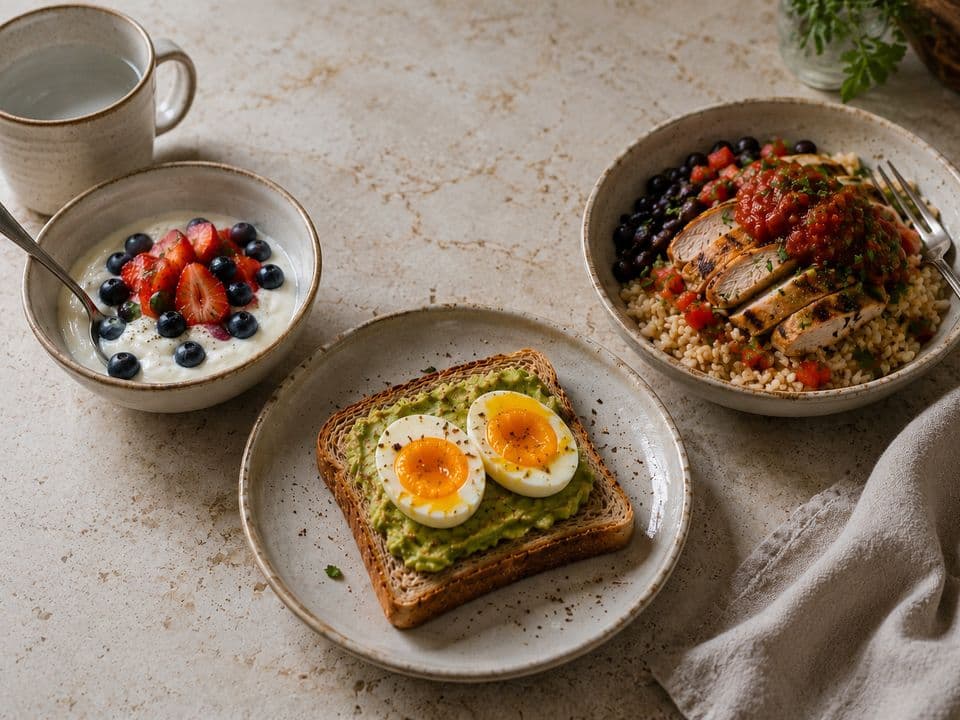
The protein guide for adults 60+
Learn about protein for seniors, including the best high-protein foods to eat and 3 simple ways to hit 80-100 grams daily without overhauling your diet.

How Bold Care helps you manage chronic conditions – without adding another prescription
Manage chronic conditions like pain and hypertension without more pills. Bold Care offers lifestyle medicine for $0 copay to CA UHC Medicare members.
Nutrition webinar: Eating for functional health
Watch this webinar with registered dietitian Janice Baker to discover how the right foods can help you manage chronic conditions like diabetes, chronic pain, and arthritis.