Protein for seniors: How to get more and why it’s important
Protein for seniors is important for healthy aging. Learn how to get more protein and the best high-protein foods to try.

Reviewed by
Key takeaways
- Older adults need more protein than younger adults. The current recommendation for seniors is at least 1 to 1.2 grams of protein per kilogram of body weight per day. This is higher than the standard adult guideline of 0.8 grams.
- As we age, muscles become less efficient at turning protein into muscle tissue. This is called anabolic resistance. Eating more protein, combined with regular strength training, helps slow age-related muscle loss.
- The best protein sources are whole foods. Good animal-based options include chicken, fish, eggs, Greek yogurt, and cottage cheese. Good plant-based options include beans, lentils, tofu, nuts, and edamame.
- You don't need to overhaul your diet to get more protein. Small changes help: eat protein first at every meal, aim for 25 to 30 grams per meal, keep high-protein snacks on hand, and consider protein powder if whole foods aren't enough. Talk to a Bold Care provider for a nutrition plan just for you.
You may have heard a popular phrase about nutrition: food is medicine. This doesn’t mean you should forgo traditional medical treatments. Rather, it implies that what you eat affects your overall health. And this is particularly true when it comes to aging. Eating well can help prevent and manage various health concerns that are more common as we get older. And it can help us function at our best for as long as possible.
One key component of eating well as you age is protein. Protein for seniors is essential for maintaining muscle. And maintaining muscle is key to staying mobile, active, and independent as you age.
Keep reading to learn more about this crucial nutrient, how much protein seniors need, and some of the best high-protein foods for older adults. This guide complements our comprehensive Weight Loss for Seniors: The Complete Guide, which covers nutrition, exercise, cost, and more.
Understanding protein needs for seniors
Protein is a nutrient that provides structure to every cell in your body. It’s also involved in various chemical compounds, like hormones, neurotransmitters, and antibodies. We need adequate protein at every age, but there are some unique reasons to make sure you’re getting enough as you get older.
Learn how to calculate your recommended daily allowance or talk to a Bold Care provider. They can walk you through these calculations and discuss the best approach to getting enough protein for you.
Importance of protein in aging
So why do older adults often need more protein than younger adults? There are a couple of main reasons.
Muscle maintenance and repair
As we age, we naturally lose about 3 to 5 percent of our lean muscle mass each decade after age 30. This age-related muscle loss is called sarcopenia. Plus, our muscles become less efficient at turning protein into muscle as we age. “Younger bodies utilize smaller amounts of protein to trigger protein synthesis for muscle building,” says Bold Care provider Dr. Mitul Desai. “This is called anabolic resistance.”
Protein provides the building blocks of muscle tissue, so eating enough protein as we age can help maintain the muscle we have and prevent further loss. It’s also important to engage in regular strength-building activities to help turn the protein you eat into muscle protein. Bold’s exercise platform has strength classes for all abilities and fitness levels you can follow along with.
Immune function and health
Your immune system — your body’s built-in response to injuries and infections — also weakens with age. Getting enough protein helps support immune health by activating and sending immune cells around your body to fight off potential infection. Getting enough protein as you get older is also linked to faster wound healing, good bone health, and less fragile skin, Dr. Desai says.
Learn more about how your diet supports you as you age in our 14-Minute Bold Talk: Nutrition for Healthy Aging.
Best sources of protein for older adults
People often mistakenly believe you have to eat more red meat to get more protein. But there are lots of different ways to eat (and drink!) more protein.
High-protein foods
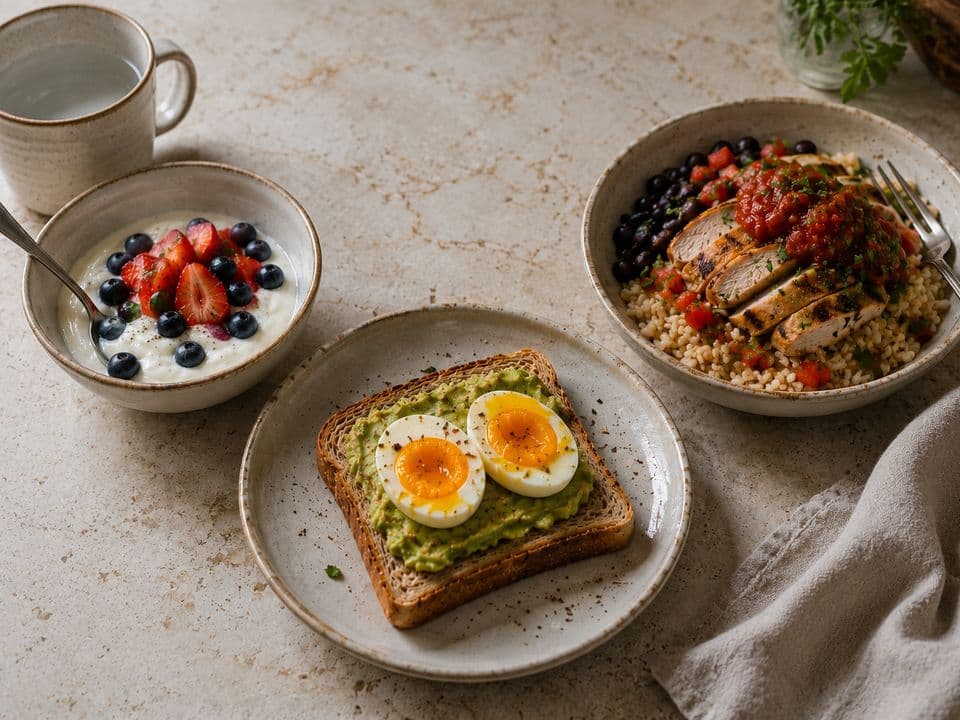
The best sources of protein are whole foods. “Whole food sources of protein are nutrient dense and offer increased bioavailability of vitamins, minerals, and fiber,” Dr. Desai says. “Additionally, by avoiding heavily processed sources of protein, whole food sources are lower in sodium and saturated fats.” Some high-protein, animal-based options include:
- Chicken
- Turkey
- Fish
- Canned tuna
- Pork
- Cheese
- Eggs
- Greek yogurt
- Cottage cheese
- Milk
- Lean beef
Plant-based options
Protein is also found in plants. Vegetarian and vegan protein options include:
- Beans
- Lentils
- Nuts
- Seeds
- Tofu
- Edamame
- Peanut butter
Protein supplements for older adults
Some people, including some older adults, have difficulty meeting their daily recommended amounts of protein from food alone.
In these cases, protein supplements are popular options. Protein powders are the most common type of protein supplement on the market. But you can also find protein bars, protein drinks, protein shakes, and other protein snacks in stores that would all be considered supplements.
These options are often more processed than a protein-rich meal you’d make at home. Read the labels carefully, and look for protein-enriched store-bought picks with 25 to 30 grams of protein and fewer than 5 grams of sugar per serving. “Check for third-party testing to ensure the product is free from heavy metals or harmful fillers,” Dr. Desai says.
Protein powder for seniors
Protein powders are protein supplements in powder form made from plant- or dairy-based protein sources. They can be added to drinks or foods to help you get extra protein. “Opt for unflavored protein powders to add directly to milk, water, or yogurt,” Dr. Desai says.
If you have any digestive issues with dairy, keep in mind that whey or casein protein powders may cause discomfort. So far, research suggests whey protein powder is most effective for building muscle in older adults.
Protein powders, like all supplements, are not regulated as strictly as prescription medications, so you can’t always guarantee you’re purchasing a safe or effective product. Many are also high in added sugar. Try to pick one with fewer than 5 grams of sugar per servings, Dr. Desai says. “Look for powder with added nutrients such as vitamin D, calcium, or magnesium to support bone health,” she adds.
Always read the label of any protein powder carefully, and talk to a doctor or registered dietitian for more guidance.
Protein shakes
You can make your own protein shakes by adding your protein powder of choice to your favorite smoothie recipe. Experiment with different blends of fruits, liquids, flavorings, and protein powder until you find a mix you like. These drinks can be helpful ways to get more protein between meals.
A nutrition plan made just for you
Book an appointment with a Bold Care provider to get personalized nutrition guidance in your plan for healthy aging.
How to get more protein in your diet
You don’t have to overhaul your entire diet to increase your protein intake. Instead, you can make some small, sustainable changes that add more protein to your days.
- Start by tracking your protein intake. Write down the protein content of the foods you eat each day in a journal or calendar, or on a digital note on your phone or computer. You can also try one of many mobile apps meant for food tracking, most of which will automatically tell you how much protein is in your food.
- See how close you’re getting to your RDA for protein and adjust accordingly.
- Always include a protein in every snack and meal, and eat it first. Prioritize your protein so you don’t fill up on other nutrients first.
- Have a homemade protein shake or a protein-rich snack twice a day between meals.
- Keep on-the-go, high-protein snacks ready, such as small bags of nuts, hard-boiled eggs, or string cheese.
Meal planning for higher protein intake
Dedicating some time to planning high-protein meals can help you make getting enough protein more of a routine.
Once you know how much protein you’re getting on a regular basis, you can plan meals and snacks that help you hit your goal. If you could use more guidance, consider talking to a Bold Care provider who can help you create a weekly meal plan.
Generally, these tips can help you meal plan for more protein:
- Pick one day each week to plan and prep high-protein meals for the coming seven days or so.
- Aim to include at least 25 to 30 grams of protein at every meal to spread out your protein intake throughout the day.
- Include a mix of animal- and plant-based protein sources in your meals. Don’t forget about beans, lentils, tofu, and quinoa!
- Look for high-protein cookbooks at your local library or follow high-protein recipe developers online to get inspired.
- Lean on shelf-stable pantry staples such as canned chicken, tuna, or beans. These are budget-friendly and easy to quickly add to salads or wraps.
Snack ideas to boost protein
Three protein-rich meals a day is a great start, but you still might need additional opportunities to get protein during the day to meet your goals.
Older adults can also get more protein with smart snacks. Here are some protein-rich ideas to try:
- String cheese
- Edamame
- Roasted chickpeas
- Smoothies
- Lean jerky
- Nuts
- Hummus and veggies
- Peanut butter on apple slices or celery sticks
- Protein bars
- Hard-boiled eggs
Cooking tips to enhance protein consumption
There are also simple steps you can take to up your protein intake in the regular meals and snacks you already enjoy. Try some of these tweaks.
- Look for simple protein-rich swaps. For example, make creamy dips and sauces with Greek yogurt instead of sour cream. Add cottage cheese into mashed potatoes, scrambled eggs, or pancakes.
- Add a protein-rich spread. If you enjoy toast or sandwiches, try adding a spread of nut or seed butter or hummus, depending on your recipe and taste preferences.
- Add nuts and seeds to soups, oatmeal, salads, stirfrys, and other dishes you cook for added protein.
- Add hard-boiled eggs to salads, casseroles, or dishes like tuna salad.
- Use milk instead of water in smoothies, oatmeal, and protein shakes.
- Add beans to salads and soups.
- Add protein powder to scrambled eggs, pancakes, oatmeal, and even baked goods.
- Swap rice for quinoa, which is higher in protein.
- If you buy store-bought pasta, consider a high-protein version, often made with quinoa, chickpeas, or other beans.
- Use bone broth instead of vegetable broth.
- Add powdered milk to soups or mashed potatoes.
- Add unflavored protein powder to your morning coffee or tea.
Curious to learn more about your individual protein needs and the best foods for you to get more protein? Talk to a Bold Care provider today about your nutrition plan.
More nutrition talks:
A nutrition plan made just for you
Book an appointment with a Bold Care provider to get personalized nutrition guidance in your plan for healthy aging.
More from Bold
The protein guide for adults 60+
Learn how much protein adults over 60 really need, the best high-protein foods to eat, and simple ways to hit 80 to 100 grams a day without overhauling your diet.

Nutrition for seniors: Your guide to healthy eating as you age
Why is nutrition important for seniors? As we get older, our bodies naturally go through changes that can affect everything from strength and mobility to memory, sleep, and digestion. Changes in our bodies can affect how we use and absorb nutrients,

Healthy eating tips with Bold trainer and certified nutritionist Meli Kirkwood
Bold trainer and certified nutritionist Meli Kirkwood shares practical healthy eating tips for older adults, including what to eat more of and what to limit.