The best stretches for seniors, explained
Discover the best stretches for seniors including hip stretches for flexibility, balance, and mobility. Learn when to stretch and get expert tips for safe, effective routines.
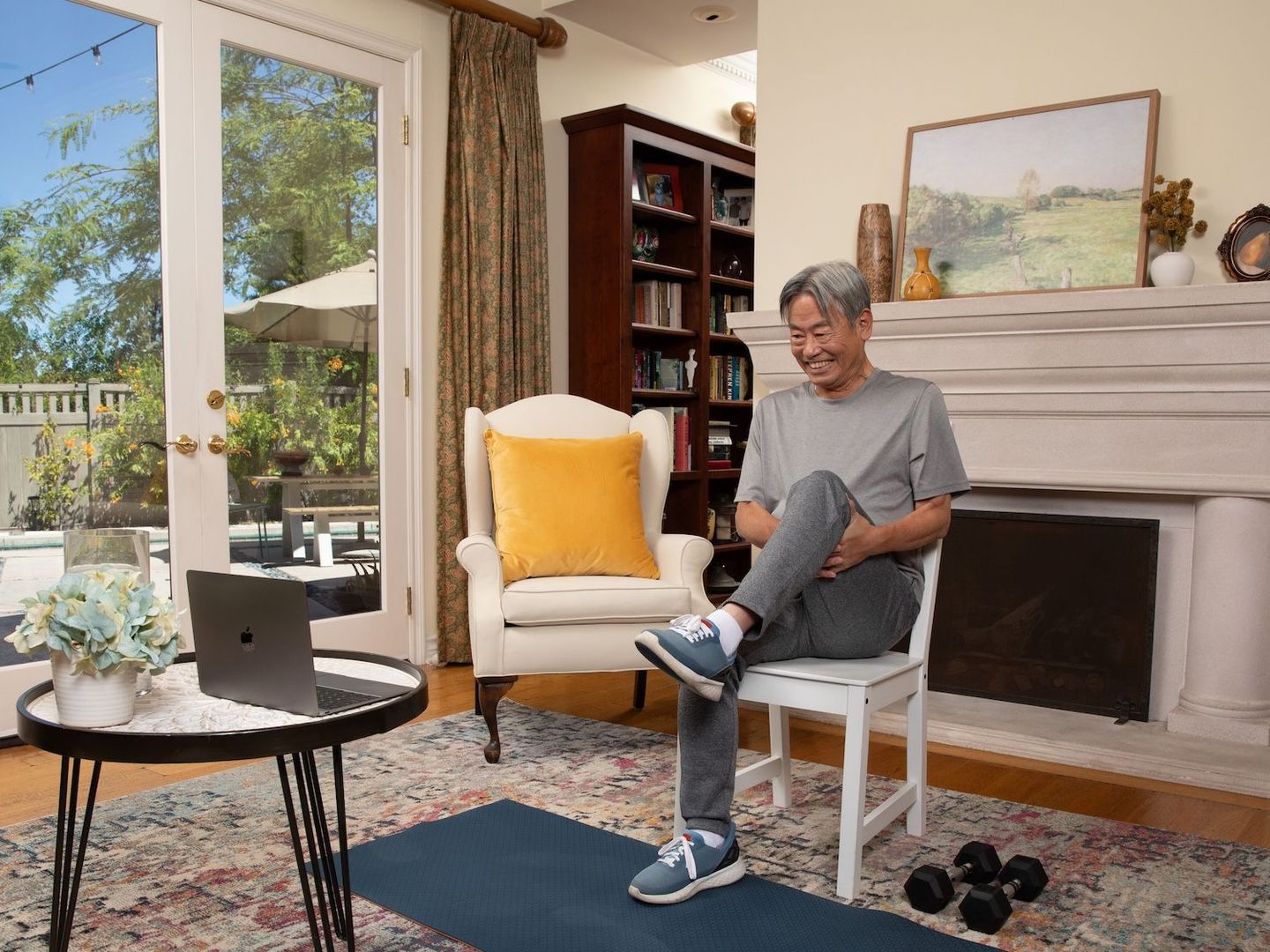
Key takeaways
- Stretching is one of the best ways for seniors to reduce stiffness and improve mobility. The benefits are both physical and mental.
- Stretches for seniors can target tight areas: hip flexors, hamstrings, quads, calves, and the upper back.
- Seniors should stretch before and after workouts and when feeling stiff. Static stretching works best when muscles are already warm. Try Bold's stretch classes for seniors today.
Stretching is one of the simplest and most effective ways to support your body’s everyday function. Whether it’s part of a Bold class, something you see others doing at the gym, or even a quick routine outdoors, stretching helps us keep mobile and flexible as we age.
Keep reading to learn more about how stretching helps our physical and mental health, and a list of the best stretches for seniors.
Why is stretching important for seniors?
As we grow older, our muscles and connective tissues naturally become stiffer. We get less flexible, which limits our range of motion. This makes everyday tasks harder, and we may struggle to do daily moves such as reach overhead, bend down to tie our shoes, or scratch our backs. Regular stretching is one way to address this. It helps keep our tissues pliable and joints mobile.
Stretching also improves our circulation. It increases blood flow to our muscles and joints, helping them get oxygen and essential nutrients. More blood flow can help reduce stiffness, especially first thing in the morning or if we’ve been sitting for a long time. People with arthritis or other joint conditions may find that gentle stretching provides some relief from discomfort.
The benefits of stretching aren’t just physical—they’re mental too. The slow, deliberate movements encourage mindfulness, allowing you to focus on how your body feels in the moment. This mind-body connection can help lower stress and increase awareness of your emotional and physical needs.
When should seniors stretch?
Seniors should stretch both before and after a workout. It’s also helpful to stretch when you feel stiff or sore. Some people benefit from dynamic stretching first thing in the morning, and static stretching as part of their bedtime routine at night.
Stretching before exercise
Try dynamic stretches, which are active movements that take your joints through their full range of motion. These stretches help warm up your body and prepare it for exercise. Examples:
- Hip circles
- Arm circles
- Marching in place
Stretching after exercise
Focus on static stretches, which are when you stay in the same position for 15–30 seconds at a time. These stretches help cool down your body, reduce post-workout stiffness, and improve your flexibility over time. Examples:
- Crossing an arm over your torso for a shoulder stretch
- Sitting on a mat and reaching your hands towards your toes to stretch your hamstrings
- Lacing your hands behind your back and gently pulling them away from your body to stretch your pectoral (chest) muscles
Stretch with Bold
Bold's yoga and flexibility classes make it easy to build a regular stretching routine, at home, at your own pace.
What are the best stretches for seniors?
“As we get older, everyday activities like sitting, reaching forward, and walking can create tension in the front of the body, pulling us out of alignment,” says Bold trainer Alicia Estrada. “These gentle stretches help lengthen those tight areas so standing tall feels more natural and comfortable.”
Here are three stretches Estrada recommends for seniors:
#1. Hip flexor stretch
This stretch targets: Front of the hips, pelvis, lower back alignment
Why it helps: Tight hip flexors can pull the pelvis forward, affecting balance and posture. Stretching them allows the spine to stack more naturally over the hips.
How to do it standing:
- Stand next to a chair and hold it for support.
- Step one foot back into a gentle split stance.
- Keep your chest upright, gently tuck the pelvis, and engage your core (as if zipping up snug pants).
- Hold for 15-30 seconds, then switch sides.
How to do it sitting:
- Sit tall near the side edge of a sturdy chair (1 glute partially off the chair).
- Drop the outside knee down and place the foot slightly behind the chair leg, keeping toes on the floor.
- Keep your chest upright and gently tuck the pelvis and engage your core (imagine zipping up snug pants).
- Hold for 15-30 seconds, then switch sides.
#2. Chest (pectoral) stretch
This stretch targets: Chest muscles, shoulders, upper back posture
Why it helps: Tight chest muscles pull the shoulders forward, leading to a rounded posture. This stretch helps open the chest and decrease shoulder tension.
How to do it:
- Sit or stand tall.
- Place your hands on your lower back, or interlace them behind you. Lift the chest slightly while keeping the shoulders relaxed and down.
- You should feel a gentle stretch across the chest and front of the shoulders.
- Hold for 15-30 seconds, breathing calmly.
# 3. Neck stretch
This stretch targets: Neck, upper shoulders, head alignment
Why it helps: Looking forward and down throughout the day can tighten neck muscles and move the head out of alignment. This stretch helps relieve tension and supports upright posture.
How to do it:
- Sit tall with feet flat on the floor.
- Drop your shoulders down and away from your ears.
- Gently draw the chin straight back (as if making a “double chin”).
- From that position, slowly tilt your head toward one shoulder. Ear towards the shoulder.
- You should feel a stretch along the side of the neck.
- Hold for 10–20 seconds, then switch sides.
Estrada also shared some stretching tips:
- Stretch regularly. Estrada recommends that you stretch once or twice a day, especially if you’ve been sitting for a while.
- Remember that stretching shouldn’t be painful. Estrada says it should feel gentle.
- Take it slow. “Breathe slowly and relax into each position,” Estrada says.
- Stay consistent. Doing simple stretches as part of your routine can make a big difference in maintaining or improving flexibility.
The bottom line
Stretching is an essential part of staying active, mobile, and healthy as we age. Whether you’re warming up before exercise or cooling down after a workout, these simple movements can support your body. Keep stretching in Bold classes, and try out flexibility classes if you’re looking for a longer stretch. See you in class!
Stretch with Bold
Bold's yoga and flexibility classes make it easy to build a regular stretching routine, at home, at your own pace.
More from Bold
Sciatica stretches: 9 exercises for sciatica relief
Sciatica stretches ease tension in your hamstrings and lower back to improve pain. Try these seated, standing, and floor stretches for sciatica relief.
Hip exercises for seniors: Benefits, stretches, and strengthening tips
Ease hip pain and improve mobility with simple exercises designed for seniors. Discover seated, standing, and floor moves to build strength and stay active.
Chair yoga for seniors: How to get started at home
Chair yoga for seniors is a safe and gentle way to improve your balance, posture, flexibility, and strength. Start with these beginner seated yoga poses.