Bone health for seniors: Why it matters and how to support it
Learn how bone health changes with age and discover practical tips to prevent osteoporosis. Explore risk factors and learn how lifestyle changes can keep your bones strong.

Written by

Reviewed by
Key takeaways
- Bone health naturally declines with age. After 50, adults lose bone density faster than they build it, raising the risk of fractures.
- Key risk factors for poor bone health include being inactive, low calcium and vitamin D intake, smoking, and too much alcohol.
- Exercise for bone health should include weight-bearing activities like walking, dancing, and strength training. These put healthy stress on bones.
As you get older, you might start thinking more about your health. One area that’s easy to overlook is your bone health. You might think that bones don’t change over time, but bones are actually made from living tissue that constantly rebuilds itself. And bones can lose density over time, which means they can become weaker and easier to break. Protecting your bone health can help you stay confident, active, and doing what you love.
Mild bone loss, called osteopenia, can progress to a more serious health condition called osteoporosis. Osteoporosis affects more than 10 million people in the United States, most of whom are over age 65. Because it’s an advanced stage of bone loss, it raises the risk of serious fractures—especially in the hips and spine.
If you’re worried about bone loss or have had a fracture before, there’s a lot you can do to protect your bones. Regular exercise, eating foods rich in calcium and vitamin D, and other healthy habits can help maintain bone health. Keep reading to learn all about the basics of bone health for seniors.
How does bone health change with age?
Our bones change over time, just like the rest of our bodies. Lots of different factors play a role.
Things that affect bone loss that you can change (modifiable risk factors)
- Low-activity lifestyle. Weight-bearing activity is important for bone strength. If we aren't physically active, this can make our bones weaker.
- Nutrition. We need calcium and vitamin D for bone strength, but sometimes we don’t get enough of these nutrients.
- Smoking. Tobacco use increases the risk of bone loss.
- Alcohol use. Heavy alcohol use (drinking more than 3 drinks per day) raises your risk of osteoporosis.
Factors that affect bone loss that you can’t change (non-modifiable risk factors)
- Sex. Women are at higher risk than men. One reason for this is hormonal changes during menopause. Lower levels of estrogen can speed up bone loss in women.
- Bones becoming more fragile as we age. Our bodies break down old bone and create new bone throughout our lives. As we get older, it takes our bodies longer to build new bone—but old bone is still breaking down. This means our bones are more fragile.
- How our body absorbs nutrients. As we get older, our body also slows down how it absorbs calcium and vitamin D. These nutrients are important building blocks for our bones, and this slow absorption affects bone health.
- Some medical conditions. Some health conditions that are common in seniors can raise your risk of osteoporosis. People with rheumatoid arthritis, cancer, or kidney and liver disease are more likely to get osteoporosis.
- Medication use. Long-term use of some medications can affect your bone strength over time. Talk to your healthcare provider to better understand if medication is impacting your bone strength.
Build bone strength
Bold's online exercise classes help older adults build strength and stability which supports healthy bones and lowers fall risk.
What is a bone density scan, and when is it recommended?
A bone density scan is a type of X-ray that looks at bone health. If you’re over 65, your doctor might recommend a bone density scan as part of your regular health care. Bone density scan results can help you and your healthcare provider make a plan for how to manage your bone health.
Does Medicare cover bone density scans?
Medicare Part B covers a DEXA scan (popular choice for bone density screening) once every 2 years if you’re at higher risk.
What exercises support bone health for seniors?
Exercise is a great tool for maintaining bone strength. If you have low bone density, talk to your healthcare provider before starting a new exercise routine. Different types of exercise help protect bone health:
Weight-bearing exercises
Weight-bearing exercises put weight on our skeleton to slow bone loss and build bone strength. You don’t need to lift dumbbells to do weight-bearing exercise. Consider how much you weigh, which is a number greater than many dumbbells or weights you might lift at the gym. Managing your own body weight can be a simple path towards slowing bone loss. Walking, stair climbing, dancing, and hiking are all examples of weight-bearing exercise.
Strength training
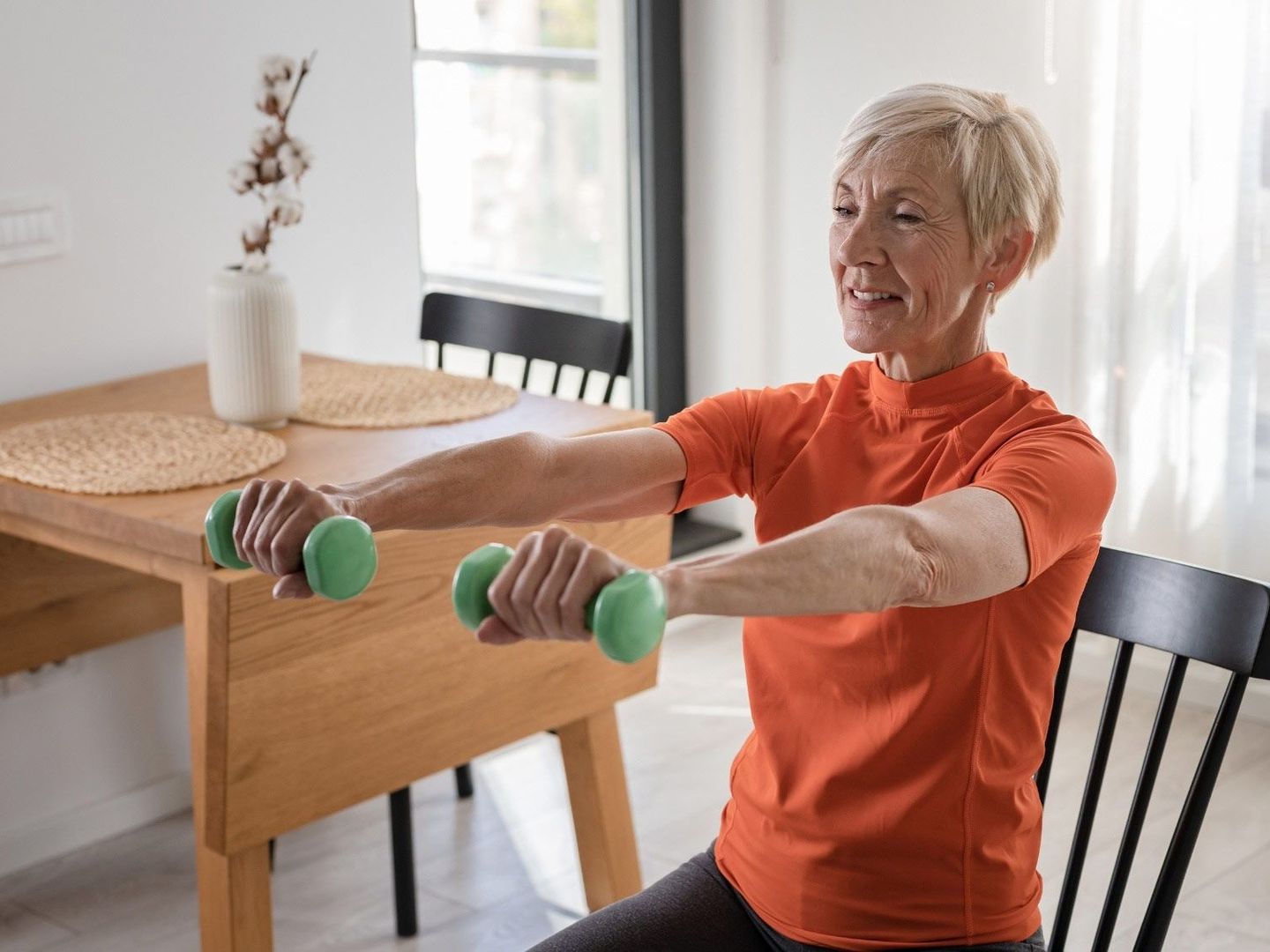
Strength training is where you use a type of external resistance like handheld weights, resistance bands, or your bodyweight. Strength training can help build both muscle and bone. When your muscles pull against your bones, it signals them to get stronger. Research shows that weight lifting increases bone density and helps reduce the risk of osteoporosis. You don't need to copy gym goers dropping heavy weights on the floor— aim to lift weights that challenge you enough that you can only do 8-10 repetitions with control. Find strength movements like squats, bicep curls, sit-to-stands, or resistance band rows in Bold’s classes.
Balance training
People with osteoporosis are more likely to experience a fracture from a fall. Balance training is a great way to help prevent falls and lower your risk of getting injured. Try adding balance-specific exercises such as Tai Chi, dual-task training, and strength training into your routine. Learn more about how exercise improves balance for seniors here.
Are high-impact exercises or low-impact exercises better for bone health?
Both high-impact and low-impact exercises can help support your bone health.
- High-impact exercises are movements that put some stress and force on your joints when you land, like running or jumping. These movements put more stress on your bones, which can help build bone strength. But if you aren’t used to high-impact exercise or already have bone density concerns, be careful when starting a high-impact exercise routine. Talk to your doctor to make sure high-impact exercise is safe for you.
- Low-impact exercises are movements with softer, gentler landings that put less stress and force on your joints. Examples include walking, yoga, or Pilates. These movements are gentler on your bones, but can still help maintain bone strength.
If your primary goal is to build bone strength, you should do the highest impact form of exercise you can tolerate and respond positively to.
Nutrition for bone health
While exercise is a great foundation for building bone strength, nutrition is another essential partner in maintaining bone health.
Nutrients to prioritize for bone strength:
- Calcium. Adults over age 50 should aim to eat 1,200 mg per day of calcium. This may include:
- An 8 oz cup of milk = 300mg (more than 1/5 of your daily needs)
- A cup of yogurt = 450mg
- A cup of fortified plant-based milk = 200-400mg
- A cup of cooked spinach = 240mg
- Vitamin D, which helps your body absorb calcium. Aim for 600-800 IU per day. You can get Vitamin D from sunlight. It’s also found in:
- An 8 oz cup of milk = 117 IU
- Soy beverage = 119 IU
- 3oz of salmon = 383-570 IU
- Protein is important for muscle support, which helps protect your bones. Aim for about 0.4g of protein per pound you weigh. Healthy proteins include:
- 1 oz meat (beef, chicken, pork) = 7g of protein
- 1 oz of tofu = 3g
- ½ cup of lentils or beans (kidney, black, navy) = 8-9g
- 1 oz nuts = 4-6g
- An 8 oz cup of milk = 8g
Bone health supplements
If you aren’t getting enough nutrients through diet alone, supplements may help. Many older adults take bone-strengthening supplements like calcium with vitamin D. Always check with your doctor before taking any new supplements.
Other lifestyle changes to help seniors protect bone health
- Quit smoking: Smoking speeds up bone loss.
- Limit alcohol: More than 2–3 alcoholic drinks per day may weaken your bones.
Takeaways
There are some things we can’t control, but our daily choices can support our bone health. Whether you’re trying to prevent future bone loss or manage osteoporosis, the right combination of exercise for bone health and other lifestyle habits can make a big difference. Even small steps add up over time. Add a short walk to your day, try a gentle Bold yoga class, or make sure you’re getting enough calcium and vitamin D.
Remember: it’s never too late to start. Most importantly, if you have osteopenia or osteoporosis, always talk with your healthcare provider before starting or changing your routine.
Build bone strength
Bold's online exercise classes help older adults build strength and stability which supports healthy bones and lowers fall risk.
More from Bold
6 questions about bone health for seniors, answered
Get answers to 6 key questions about bone health for seniors. Learn what causes bone loss, how to prevent weak bones in seniors, and the role exercise plays.
Physical activity for seniors: Benefits, guidelines, and how to start safely
Discover the benefits of physical activity for seniors, including CDC guidelines, safety tips, and how to start exercising at any age.
Does Medicare Cover GLP-1s for Weight Loss? The Medicare GLP-1 Bridge Program Explained
Medicare now covers certain FDA-approved GLP-1 weight loss drugs for eligible beneficiaries, for a $50 monthly copay. Here's how the Medicare GLP-1 Bridge program works, who qualifies, and how to access it.